Featured

Top 25 Acts (to do from home) to Conserve Earth!

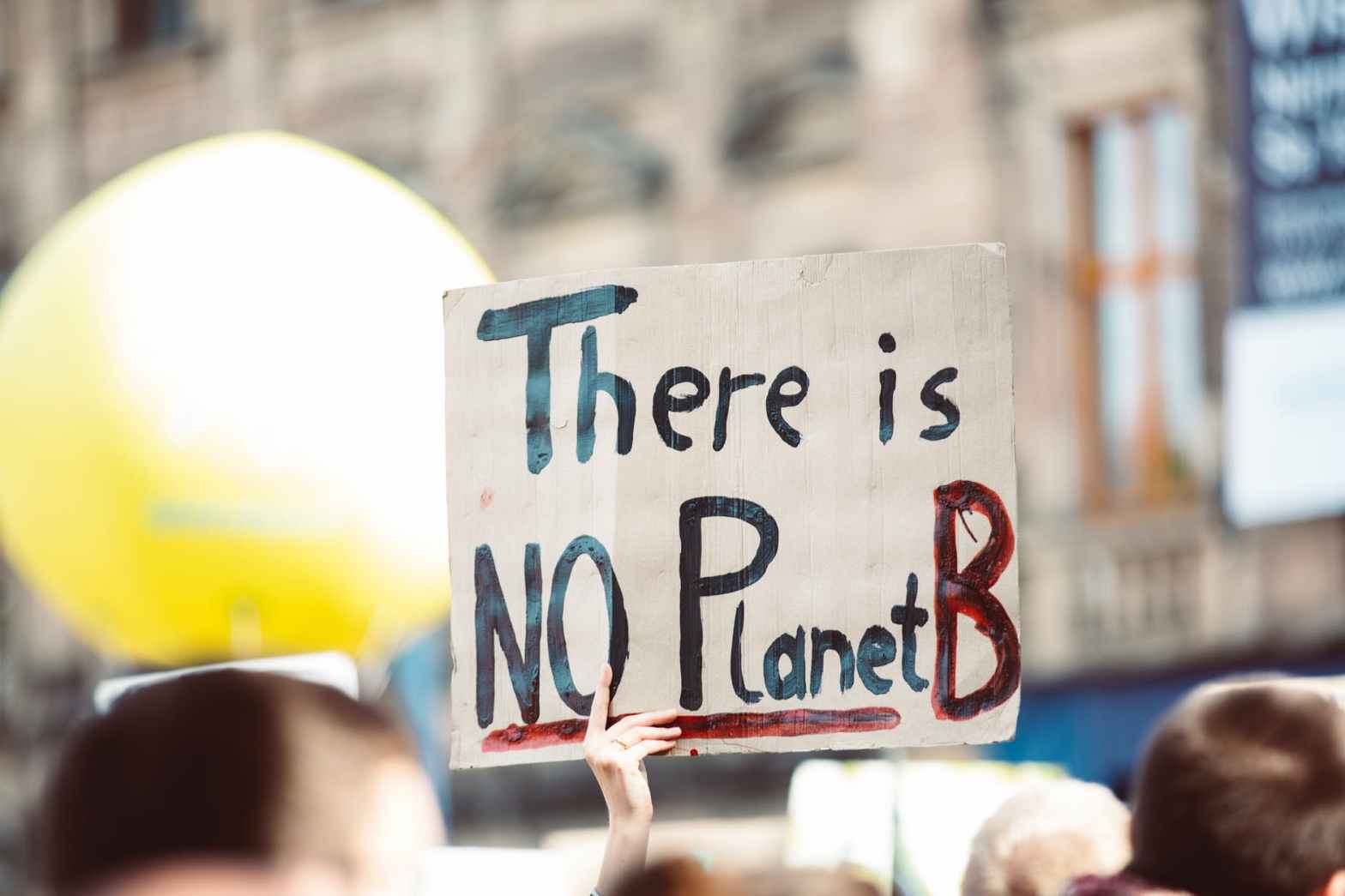
This year’s Earth Day theme is Our Power, Our Planet. You can invest time, energy, resources or funds to make our global environment better. For these days until Earth Day spread the word and as MJ says: Make That Change. Here’s a list to make the greatest positive impact on our globe. Some you can do from your couch.

  • Research Your Food. Of coarse, this first one is a couchable act. Pull 5 items you normally buy. Then look up the manufacturer for earth friendly practices. If they are being sued for unsafe disposal or employee unfairness – Change Brands!
  • Start Recycling. Most people support recycling, but do you really DO it? The EPA reported on November 2020 only 32% of Americans recycle. A couchable approach is to find out online exactly what your local trash collector accepts in that recyclable bin. You may be amazed.
  • Recycle More. If you are in USA’s 32% that is doing the deed – Do more. Don’t throw away that can or bottle because of food residue. Put it in the dishwasher, then throw in recycle bin. More items are recyclable now than before. Research new ways to reuse/recycle and find out what else you can put in that bin.
  • Research Your Trash. Since we’re on the subject, where does your trash end up? Yes, this too can be done from your couch. Check out what happens when trash leaves your home by going to company website. Some waste haulers changed tactics as China refused plastic disposal. Where does your local hauler dump, burn or bury?
  • Minimize Plastic Waste. Each year over 8 million metric tons of plastic is dumped in oceans. Microplastic particles are endangering marine life. Check out Earth Day Network to find other ways you can help.
  • Buy Less Packaging. Buy bulk product or choose option that have just the bare minimum non-recyclable packaging. The more packaging you buy the more you need to throw away. That leads to the next action.
  • Avoid individually wrapped ANYTHING. It may have made lunch or travel packing easier but is all that wrapping really useful. If it was for meals, consider investing in a reusable bento box with compartments for food items. If it was for travel, washable travel bags also have easy access easy clean compartments.
  • Voice a Complaint. Do it from your couch. Call and complain about local users of take-out styrofoam containers. Ask manager to change to paper or cardboard take-out options. Call back to see if they took action and praise any positive change.
  • Praise Positive Earth Action.
  • Start a Vegetable Garden. No need for access to open land – use containers. Grow your veggies indoors near a sunny window. Plant only what you will really eat. Change garden plants each season to have fresh food all year long.
  • Create a Community Garden. Call your neighbors to share ideas, seeds, produce and more from doorstep to doorstep.
  • Start a Compost Pile/Bin. A handy addition to any garden, compost can help fertilize what you grow. Also compost is cheaper than store bought fertilizer that may contain unsavory additions to your local earth.
  • Change Toothbrush/Hairbrush to natural or recycled products. Sadly, these items are still packaged in plastic when newly purchased but it is a start.
  • Use Biodegradable Cleaning Products. Read labels of cleaners you now have for kitchen, bathroom and laundry. Is it safe for you, your children, our Earth? Some simple items are extremely effective cleaners such as vinegar, baking soda, hydrogen peroxide, citrus and thyme. Check out products by Mrs. Meyer’s, Seventh Generation, Simple Green, Method, JR Watkins, ECOS and others.
  • Spay/Neuter Your Pets. Also Trap-Neuter-Return wild community cats for humane care of overpopulation. Feral cats pose biodiversity challenges globally. Nearly 100 MILLION feral, formerly domestic, cats live in the US. Feral cats usually die from starvation, contagious disease or injury. Help them. #DoGood.
  • Join a Clean Up Day. Find a local group or government sponsored effort to clean you region. Volunteer to start small by taking the family out to clean up your block.
  • Start a Cleanup Day. Start a clean up of your neighborhood or a nearby road or highway. Remember Earth Day is Everyday add your clean up to EarthDay.org map
  • Look B4U Buy. Check where clothes, housewares and other purchases are made. When shopping online, a couchable act, do a little digging. Find out what the items are made from before purchase. Buy clothing for long term, not one time use. If it is not from a sustainable source don’t buy it.
  • Eat Local. This may seem an odd for Earth act, but it decreases travel pollution and packaging needs. Plus it supports your neighbors and your community. Win-Win.
  • Join a local Buy Nothing group. Another way to reuse, recycle and minimize consumer culture.
  • Consciously Buy Food. Find items that are sustainable. Look for labels that state Fair Trade, Rainforest Certified, Dolphin Safe, etc.
  • Plant/Care for a Tree. Trees help minimize carbon pollution. Guardians Around The Earth and nonprofits like us offer ongoing tree support. GATE works toward Central California reforestation through reseeding locally sourced tree seeds. Donate to our efforts here. Also larger nonprofits like Arbor Day Foundation, One Tree Planted, Trees for the Future and others help reforest our Earth one tree at a time.
  • Donate Time/Funds. Donate your volunteer time or monetary contribution to an Earth friendly nonprofit right now. Give to us at Guardians Around The Earth. Give to others – search online to find an organization you love. Every donation is greatly appreciated.

Share what action you take to conserve Earth. Tell a friend. Post a comment. Share on our Facebook page. Whatever action you do our Earth will be better for it.
Arbor Day

By Grace Colbert

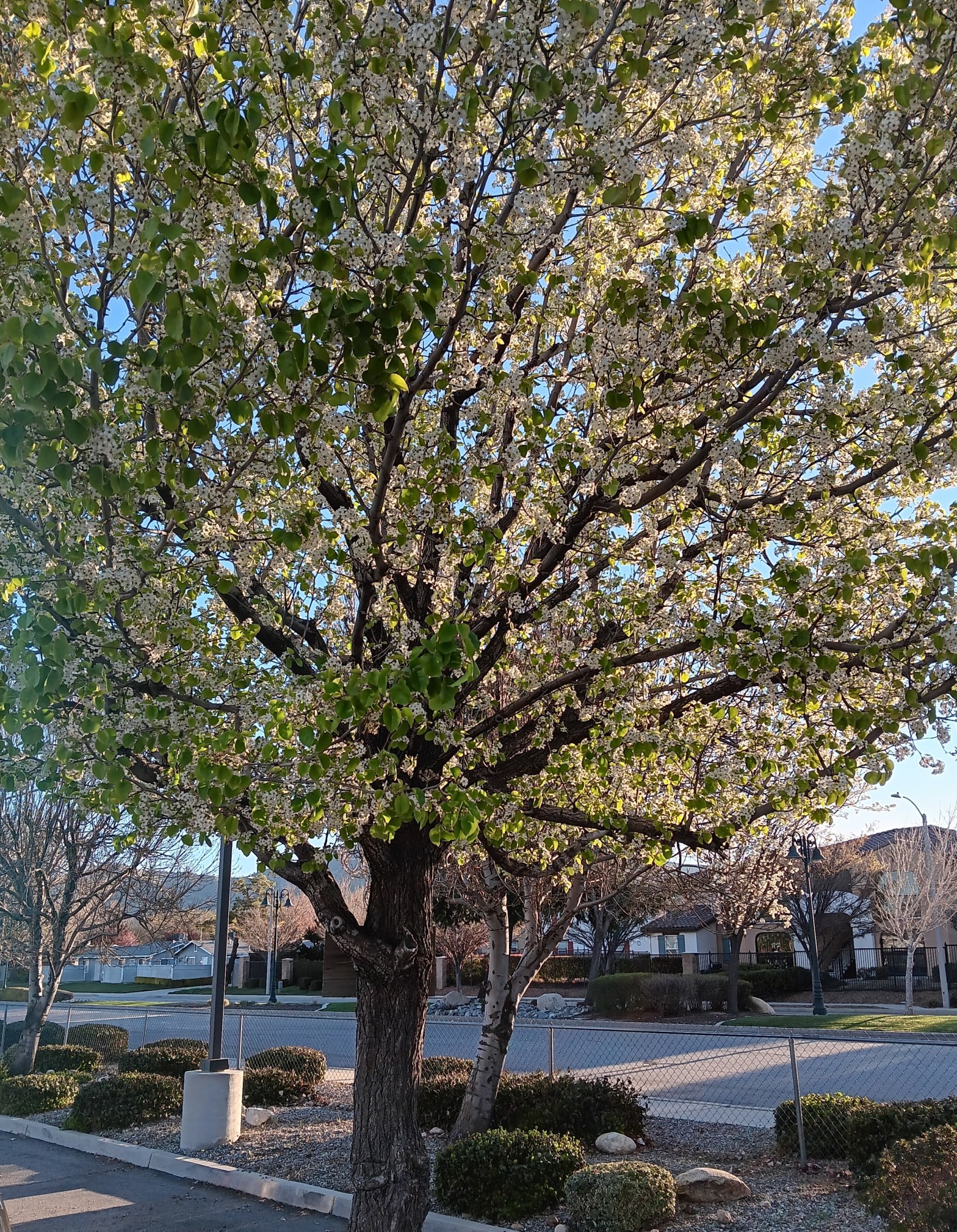
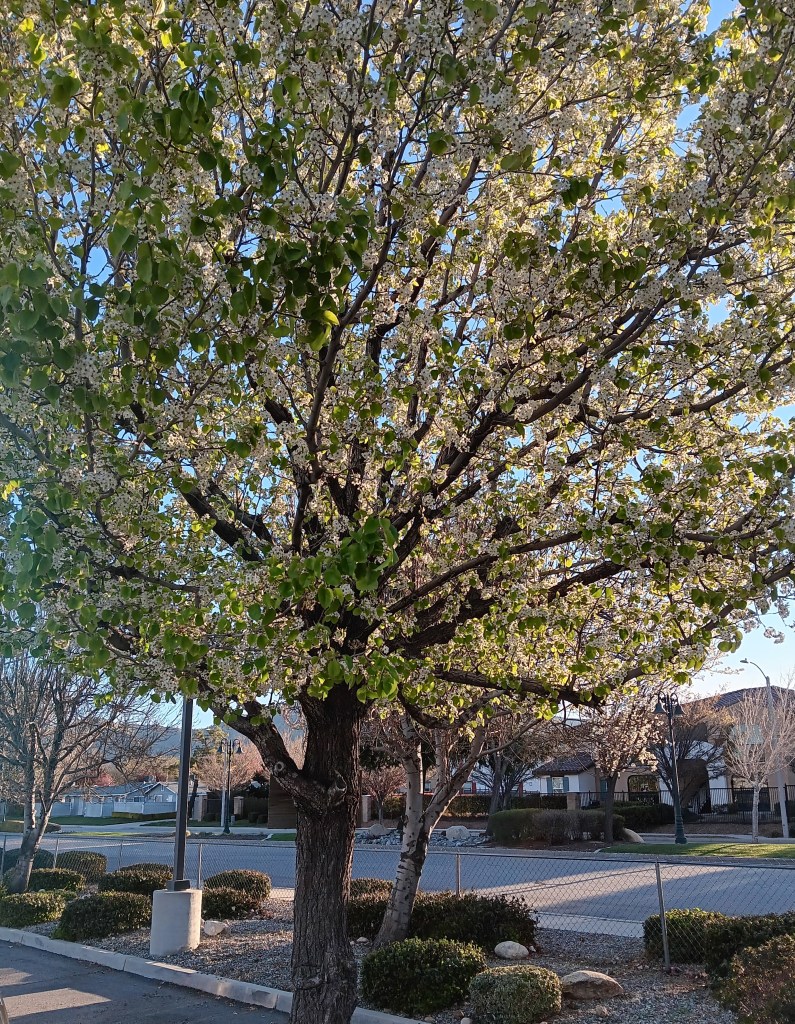
Arbor Day is April 24th! Each year we take this special day to learn about, appreciate, and give back to trees. It’s a day to take part in your community and get involved with nature. Trees play a huge role in supporting life on Earth, and so we have a special day to celebrate them. 

Many people plant trees on Arbor Day. Planting trees is a great way to help the community and environment! But you can’t plant just any tree anywhere. Trees need the right environment so they can grow the best. Some trees need a hot, dry climate, other trees need colder, wet areas. Use this Right Tree, Right Place guide to help you figure out what tree grows best where you live, and how to do it safely.

After you plant a tree, you still need to take care of it! Like most plants, trees need the right soil, room to grow, good sunlight, and water. Check out this guide  for tips on how much to water and prune your tree to keep it healthy.

Here are other activities you can do this Arbor Day:

The “Green Prescription”

Why Spring Trees are Your Best Stress-Busters

The Science of Serenity
As the first buds of spring appear, they bring more than just color; they offer a scientifically proven “green prescription” for our mental health. Research consistently shows that spending time around trees can lower cortisol levels, reduce blood pressure, and alleviate feelings of anxiety and depression. This isn’t just a feeling—it’s a physiological response to the “fractal” patterns of leaves and the fresh air trees provide.

Spring Rejuvenation
Spring is the season of renewal, making it the perfect time to shed “winter hibernation” and reconnect with the outdoors. Just as trees are budding and growing, we can use this energy to refresh our own routines. Whether it’s a 20-minute walk through a tree-lined street or a mindful moment under a blossoming canopy, these small interactions act as “natural air conditioners” for both the city and the mind.

Take Action with Us
You don’t have to head to a remote forest to feel these effects. Our programs are designed to bring the healing power of nature directly to your neighborhood:
Community Planting Days: Grow local canopy and find your own sense of purpose through gardening and stewardship in your community. Help us intervene with damaged trees by joining our TreeForce volunteers.
Guided Nature Walks: Join our experts to de-stress and learn about local species while practicing mindfulness in motion with our Nature Immersive Wilderness Experiences.

Whatever you decide to do this Spring – Get Out There in Nature!

The Silent Transformation

Navigating Crisis in Sierra Nevada and Central California Forests

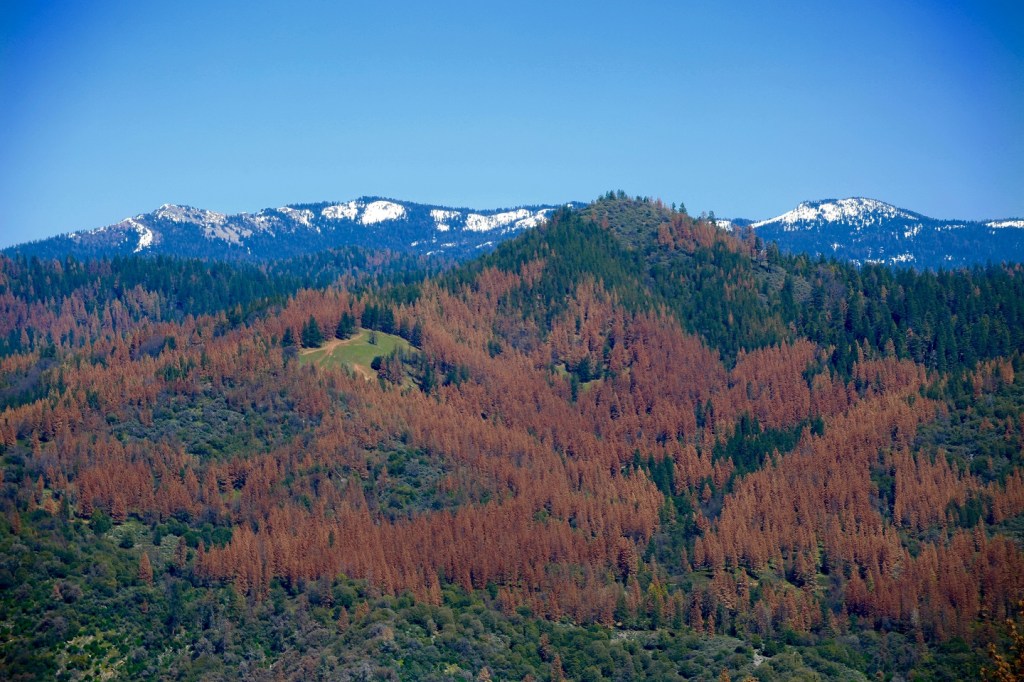
Sierra National Forest Mortality photo by OEHHA

The Sierra Nevada and sprawling woodlands of Central California have long stood as symbols of endurance, defined by ancient giants and vast, emerald canopies. However, as we move through 2026, these landscapes are undergoing a profound and visible transformation. What was once a slow environmental shift has accelerated into a complex struggle for survival, leaving our forests at a critical crossroads.

A Landscape in Transition

For those walking trails within central Sierra today, the scenery has changed. The vibrant greens of the past are increasingly punctuated by “red-needle” silhouettes—a calling card of trees that finally succumbed to a decade of environmental pressure.

Although heavy snow packs of recent Winters provided a much-needed drink for thirsty roots, recovery is not as simple as adding water. Our forests are currently dealing with a “biological hangover” from years of extreme heat. Since 2010, the U.S. Forest Service recorded a staggering 200 million dead trees across the state . While the fever broke slightly in 2024 and 2025, with annual mortality dropping to a decade-low of roughly 6.6 million trees, the baseline of death remains significantly higher than historical norms. As of mid-January forest service nursery reached its annual limit for reforestation tree requests.

The Invisible War Under the Bark

The primary architect of this change isn’t just the heat, but the tiny creatures that thrive in it. Native bark beetles—specifically the fir engraver beetle—have become the dominant force in the central Sierra. In a healthy year, a tree can “pitch out” these invaders with sticky resin. But years of moisture stress have left these giants defenseless.

In recent surveys, the fir engraver beetle alone was responsible for nearly 75% of tree deaths in the region. This is no longer a natural thinning of the woods; it is an epidemic that is reshaping which species will dominate our mountains in the decades to come.

The Density Dilemma

We are also witnessing the consequences of a century of well-intentioned but lopsided forest management. By aggressively suppressing every small fire for over 100 years, we have allowed our forests to become overgrown. In many parts of Central California, forests are now two to five times denser than they were historically.

This overcrowding creates a “too many straws in the cup” scenario. When a drought hits, there simply isn’t enough water to go around, leaving every tree in the stand vulnerable. This density also creates a dangerous ladder for wildfires, allowing flames to jump from the forest floor to the crowns of the tallest trees with terrifying speed.

A Call to Resilience

Despite these challenges, there is a path forward. The current crisis has sparked an unprecedented era of cooperation between scientists, state agencies, and the public. We are learning that to save the forest, we must sometimes thin it—returning it to a more open, resilient state that can withstand the “hotter droughts” of the future.

For those who love California’s wild places, staying informed is the first step toward advocacy. You can explore the California Tree Mortality Viewer to see how your local area is faring, or visit CAL FIRE to learn how to create defensible space around your own property.

This story of the Sierra Nevada is not over; it is simply entering a new, more fragile chapter. By understanding these stats and stressors, we can better support all management efforts required to keep these natural Guardians of Nature standing for future generations.

Wisdom of the Ancestors – Autumn Trees as Connections to Our Past

Autumn’s Embrace: Trees as Living Libraries of Ancestral Wisdom

In many spiritual paths, autumn is the season most deeply connected to our ancestors, to those who came before us. It is a time when the veil between worlds is said to thin, making communication and reflection on our lineage more potent. And once again, the magnificent trees of autumn serve as powerful conduits, acting as living libraries of ancestral wisdom, silently holding the stories of ages past.

Consider the ancient Yggdrasil, the Norse World Tree, connecting all realms – from the heavens to the underworld. Or the Celtic Tree of Life, its roots and branches intertwined, symbolizing the interconnectedness of all existence, past, present, and future. These myths reflect a universal understanding: trees are sacred beings that bridge time and space, embodying the enduring spirit of life through countless cycles of birth, death, and rebirth.

As the leaves fall, revealing the strong, intricate network of branches, and exposing the gnarled bark of the trunk, the trees take on an almost skeletal quality. This visual stripping away of the ephemeral can remind us of our own ancestry – the core lineage that sustains us, even when the “leaves” of individual lives have fallen. Their deep roots symbolize:

  • Connection to Origin: They anchor us to the source, to the very beginning of our family lines and spiritual traditions.
  • Cycles of Remembrance: Just as nutrients are drawn back into the roots for storage, so too can we draw wisdom and strength from the past.
  • Endurance of Spirit: The tree survives winter’s harshness, demonstrating that the essential spirit of life, and indeed of our ancestors, endures beyond physical form.

This is a powerful time for ancestral work. Sit beneath an old tree, feeling its presence. Offer gratitude for those who paved your way. Ask for guidance, or simply open yourself to the quiet wisdom it offers. The rustle of dry leaves underfoot can be like the whispers of forgotten stories, and the sturdy trunk a touchstone to the resilience embedded in your very being.

Autumn trees invite us not just to remember, but to reconnect with the vast, rich tapestry of our heritage. In their steadfast embrace, we can find comfort, guidance, and a renewed sense of belonging within the eternal flow of life.

Season of Giving

This is it. ‘Tis the Season. Well, actually every season is a giving season. What can you give that will be appreciated? Here’s five suggestions for TRULY SHOWING YOU CARE. Gifts for every budget.

  • Give a HUG. Since COVID-19 mandated physical distancing, hugs have been hard to come by and so greatly needed.
  • Volunteer. Funds are challenged for so many, but time and effort is always welcome. Find a way to give back with virtual volunteering from your couch or in-person volunteering not just this season but every season.
Photo by Andrea Piacquadio
  • Give Thanks. A genuine thank you goes a very long way. Thank a neighbor, thank a friend, heck thank a stranger just because. Look for little things as well as big actions and be thankful for them.
  • Forgive. People acting out of fear and stress tend to hurt others. You may have been harmed emotionally, physically or in other ways. Can you forgive another? In years where stress adds with agony and grief, conscious intention seems to have been thrown out the window for some. A bit of forgiveness can be truly healing.
  • Donate. Join our challenge of 5 for 50/mo. Guardians Around The Earth will seed five native trees for every new monthly donor giving $50 or more who signs up by January 22, 2026. Sign up today by texting GATEGIVE to 44-321. Give in the name of another and honor that person with a generous contribution. THANK YOU!
Photo by Panos Sakalakis