Plastic Poison

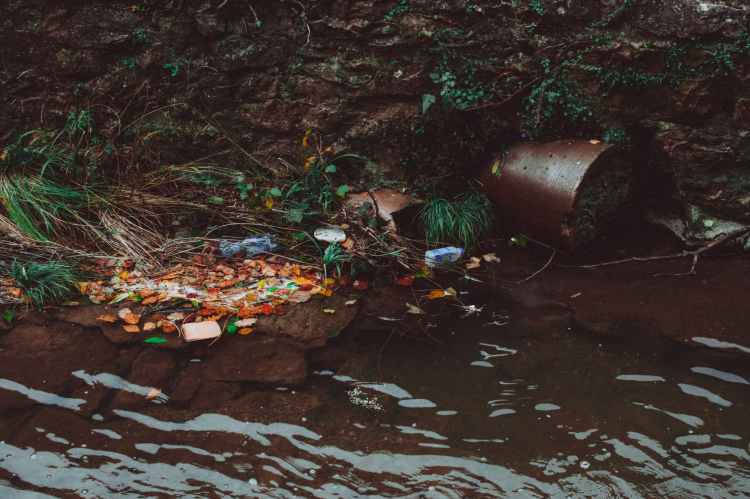
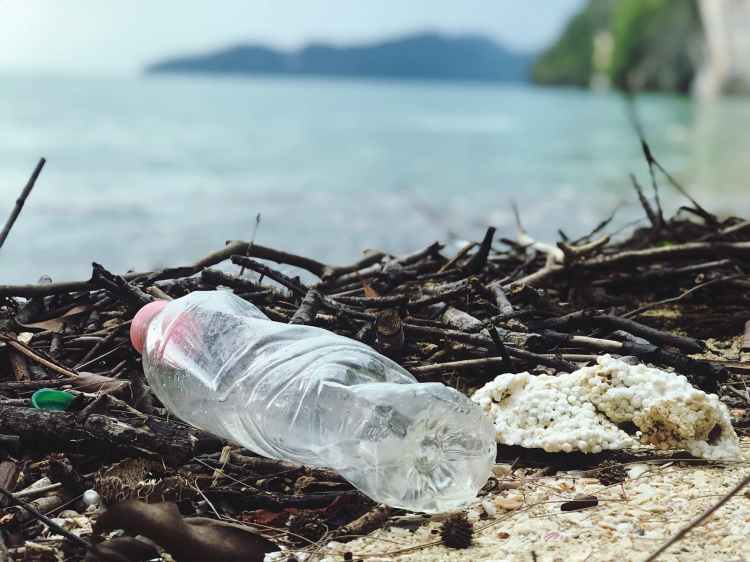
Plastic is everywhere. It’s been discovered in the air we breathe, in water we drink, inside animals, even in our own bodies. What is this poison doing to us and how can we stop this polymer madness?

A recent study shows only 20 companies produce OVER HALF of the world’s single-use plastic. Single-use accounts for a third of plastic produced annually and are those used once then thrown out, obviously. Yet those are what most likely ends up in our oceans wrecking havoc with environment and wildlife.

Sadly, nearly all single-use plastics are made without any recycled material. Even more sadly (and of course), the cause of our current global crisis is all about money. Large polymer producers are funded by global institution investors, big bank and corporate lenders. All large cogs moving a mighty machine and the individual investors are not aware of their contribution to all of this. Individuals like me! I discovered companies on the list that I financially supported (or benefitted from in retirement portfolio). Yep, I’m appalled at my lack of knowledge!

Now What!?!

Photo by Markus Spiske on Pexels.com

Find Out More – Research where your money goes and change it. (I’m looking into how I can, today.) If you’re not invested – talk to your parents, your friend’s parents, your boss. Let them know about companies listed.

Speak Up – write to decision makers and call for action. Talk to little decision makers like the supply purchaser at your favorite take out place! Ask for cardboard, waxed-paper or a discount if you bring your own container.

Decrease Use – Look at your trash, is it filled with plastic? You can decrease that footprint with smart purchasing choices. Look before you buy – is another option in sustainable packaging? Does it even need packaging? You’ll unwrap it at home, so why buy it wrapped at all!

Buy BulkHERE is a site that lists bulk groceries in the US. Okay, realistically COVID-19, forced bulk items into plastic storage. Soooo… not sure how long until that changes. Now you can choose to buy items that are NOT individually wrapped. Teach your kids about sustainability – let ’em pack lunch/snack using paper or a reusable bento box.

Use Alternatives – Before plastic took over our lives use of pottery, ceramics, stainless steel, wood, bamboo and even glass did everything. If you use store provided bags, ask for paper and add it to compost after use.

You Are Part of the Solution!

Act Now to Restore Earth.

Pining Away 4U!

The pine stays green in Winter… wisdom in hardship.

Norman Douglas
Thanks Trace Hudson for this photo

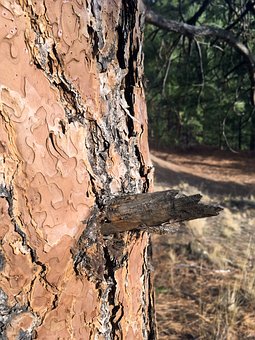
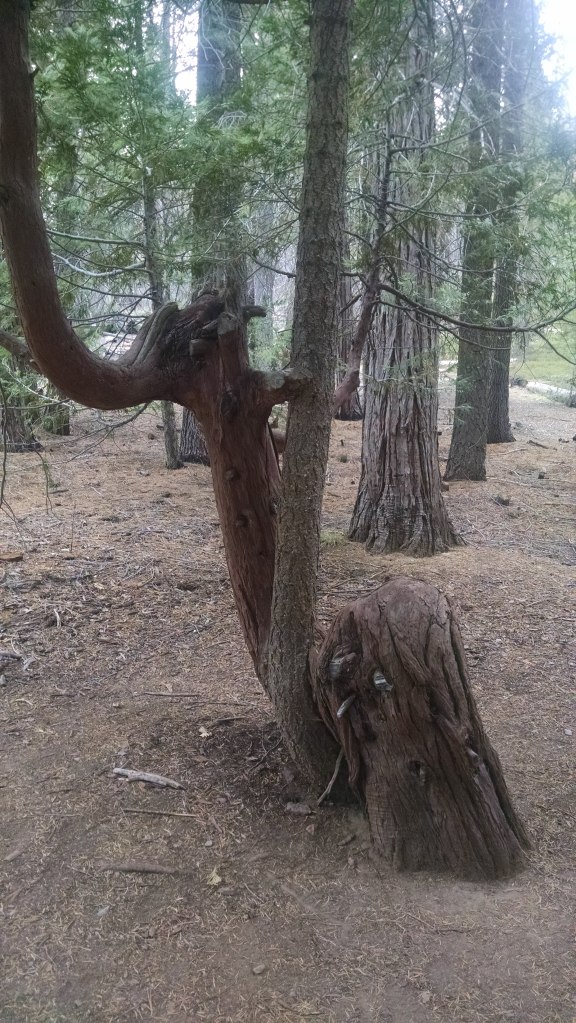
TREE FOUR: With all the different Pines in our global environment, here is featured the amazing Ponderosa. FEATURED NATIVE TREE: Ponderosa Pine / Pinus Ponderosa

Tree Four Dates: Post Selfie with Tree March 13-14 or April 23rd to 29th.

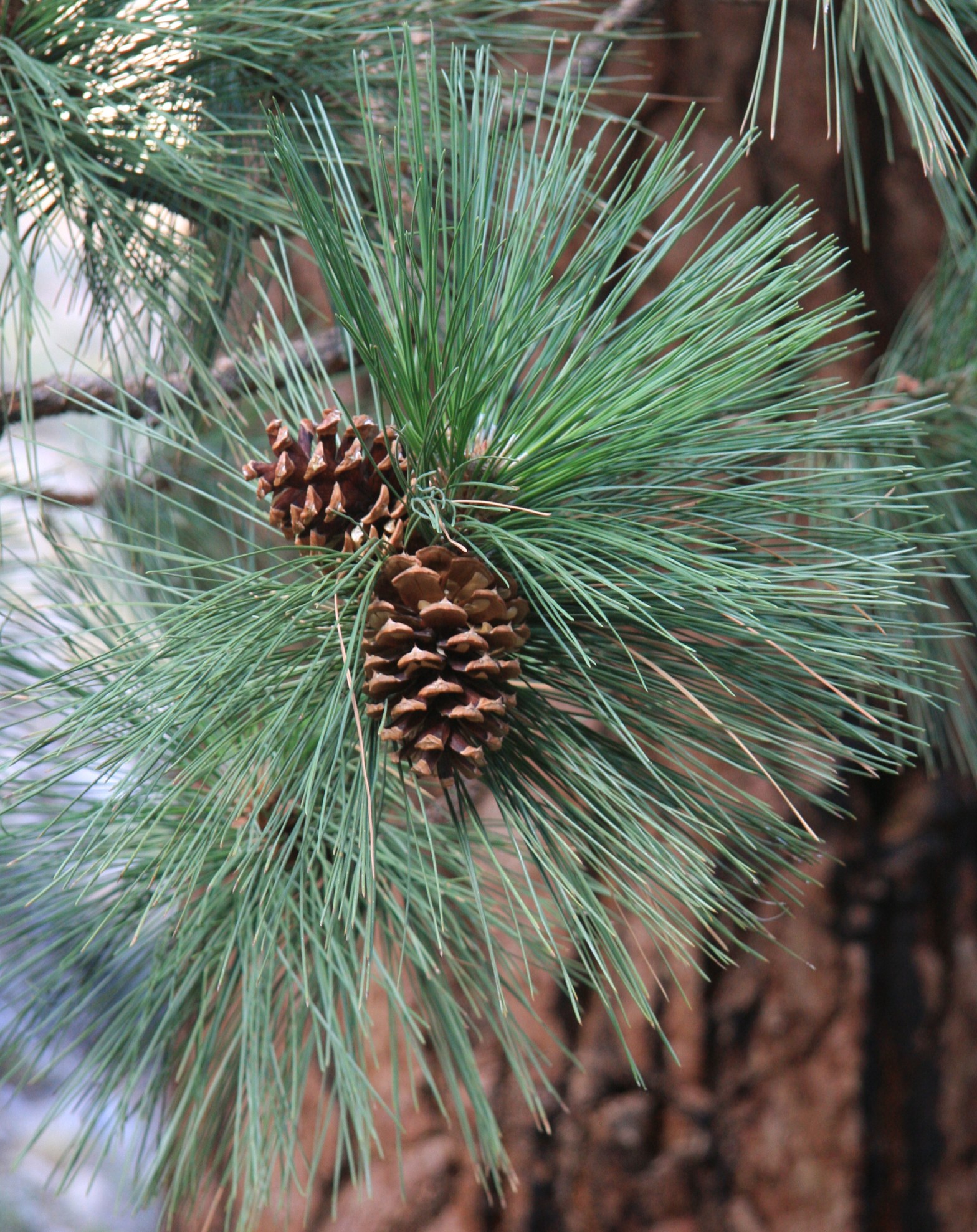
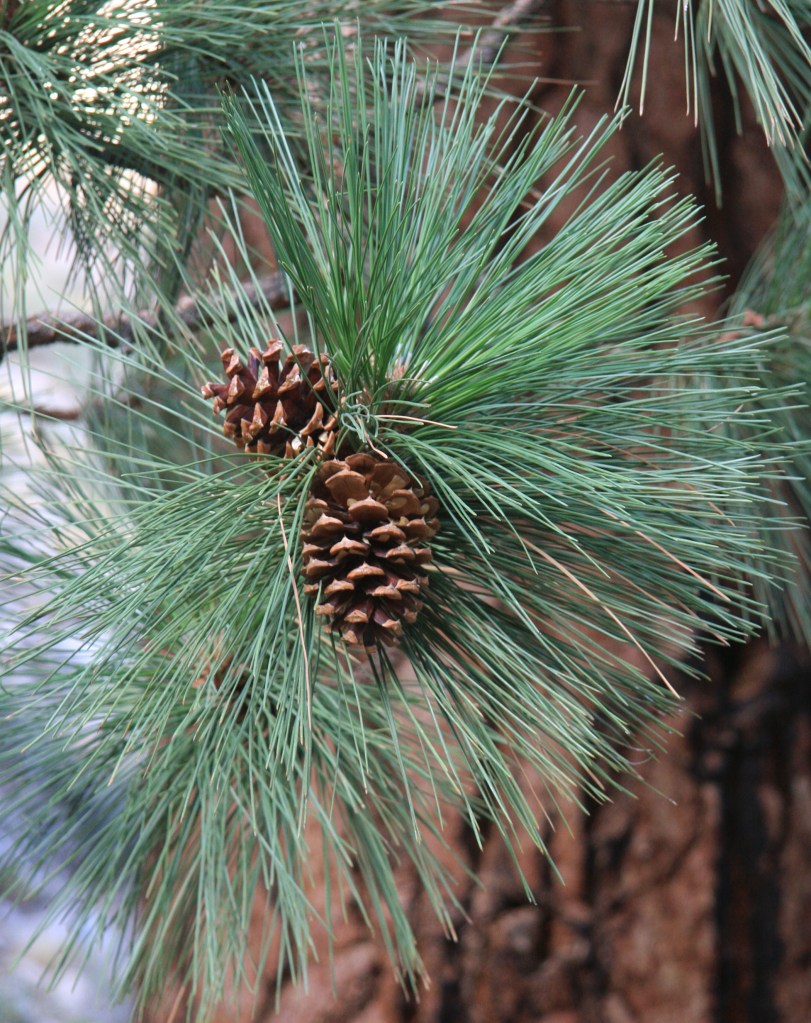
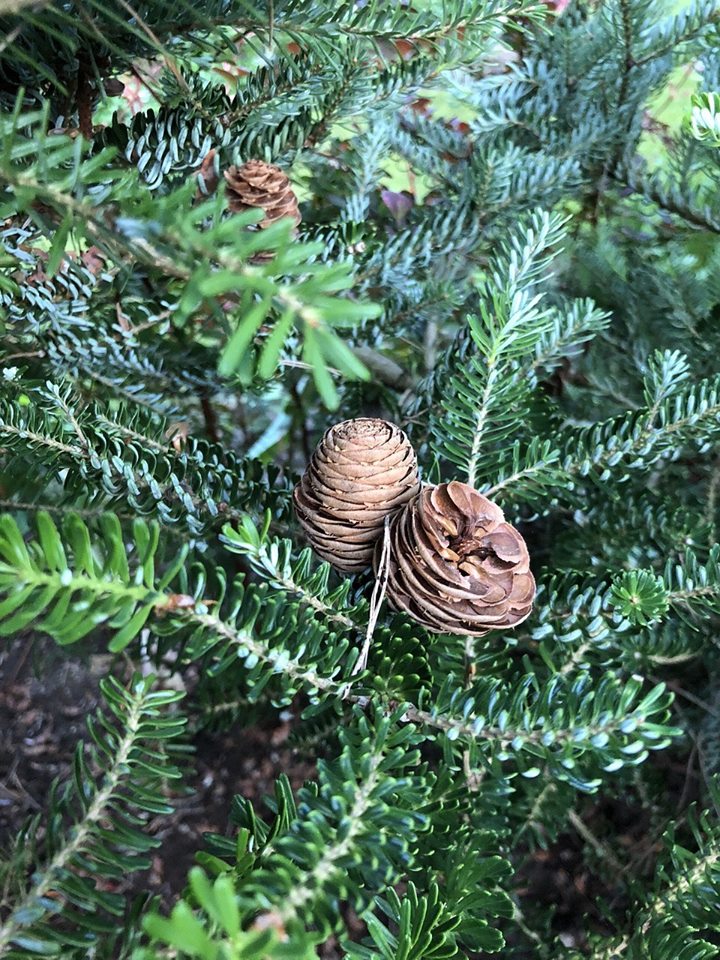
Ponderosa Pine Cone

PINE TREE FACTS!

  • A tree by many names – now called Pine or Conifer, this tree was called Fir. Term Conifer also refers to Spruce, Yew and a few others.
  • Pines are conifers, meaning seed are in cones. Pine Trees are unisex, producing both male and female cones on same tree.
  • Seeds have wings and spread by wind or animal droppings. Evergreen leaves are needles bundled in groups called fascicles. Groups are individual or as many as seven.
Thanks Marlon Martinez for this photo
  • Just about every part of most TRUE Pine Trees are edible. Some new needles taste lemony. Edible parts are nuts (obviously), pollen, needles, inner bark
  • Some Pines are NOT edible – Ponderosa Pines, all Yew Trees and a few uncommon ones like Norfolk Island Pine and Chinese White Pine are toxic. This is why it’s good to know which to avoid if you’re in a pinch for food.
Pine Needles for Tea?
  • Pines generally live long – 100-1000 years. World’s oldest pines (4-5 thousand years) live in Central California. They are Bristlecone Pines.
  • Researchers found traces of Conifer Trees 300 million years ago.
  • Native Peoples attribute Pine as symbol of wisdom and longevity.
  • Some pines, like the local Ponderosa, need fire for seed germination. These plant types are pyriscent. This is good since pine resin is highly flammable.
  • Pines are sturdy, growing naturally across the continent, perhaps around the entire northern hemisphere. They grow on snowy mountains up to 13k feet and in some deserts too because they need little water to survive.
  • Pine plantations are grown and harvested for timber, Christmas trees, and resin. Pine resin is used for sealant, glue and varnish.

Ponderosa Pine Specifics

  • Native to mountains of Western North America.
  • Also called Bull and Blackjack among other names.
  • Most widely dispersed Pine on continent. Maybe because seed can travel 1,000 feet.
  • Ponderosas are tall, straight Pine Trees with reddish, platelike bark and long needles. NPS says the bark smells like vanilla or butterscotch. Needles are 4-8 inches long and grow in threes.
  • Heartwood is reddish brown, sapwood is yellowish white.
  • It takes 2 years for cones to mature and shed seeds.
  • Seeds eaten by birds, squirrels and other small mammals.

Read More About It

Cottony Clouds

TREE THREE: FEATURED NATIVE TREE: Cottonwood /Populus Fremontii
TREE THREE DATES: Post Selfie Pics March 11-12 or April 15th to April 22nd

WIN $200: Take a selfie with featured tree during above-noted 2 days of Arbor Week or in week of April Tree Hunt. Post using @guardiansaroundtheearth on Instagram or #OpenYourGATE on Facebook. Post all 4 featured trees (and follow our FB page) to enter raffle on April 30th – Arbor Day.

Cottony Cool Quotes

Perhaps you have noticed that even in the very lightest breeze you can hear the voice of the cottonwood tree; this we understand is its prayer to the Great Spirit, for not only men, but all things and all beings pray continually in differing ways.

Black Elk

♫ Oh, give me land, lots of land under starry skies above –
Don’t fence me in.
Let me ride through the wide, open country that I love –
Don’t fence me in.
Let me be by myself in the evenin’ breeze,
Listenin’ to the murmur of the cottonwood trees.
Send me off forever but I ask you please –
Don’t fence me in. ♫

Cole Porter
Heart-Shaped Cottonwood Leaves

FUN FACTS ABOUT – COTTONWOOD TREES!

  • Fremont Cottonwood’s glossy leaves are triangular, slightly toothed and ♥ shaped. Cottonwood leaves known for rustling song they sing even with gentle breezes.
  • Cottonwood/ Aspen / Poplar all in genus “POPULUS” have short lives for trees. They live about 100 years and grow quickly to about 100 feet.
  • Poplars often form groves in barren, burned, or cleared areas. Groves are communities of trees that support and communicate with each other.
  • Fremont Cottonwood is related to Willow. They love waterways.
  • Cottonwoods grow fast in moist areas by creeks, streams and irrigation ditches but tolerate dry soil too.
  • Thick bark of cottonwood helps this tree survive wildfires.
  • Lewis and Clark attribute their success mostly to this tree.
  • Beautiful seasonal tree – flowering in Spring, cottony in Summer, colorful in Fall.
  • Pollinated seeds spread as snow for just two weeks in Summer. So, if allergic to cottonwood, their snow marks an end to suffering.
  • Cottony seeds blow up to FIVE MILES, on a windy day maybe more!
  • AZ Hopi Peoples hold Cottonwood Sacred – Listen to Wind Messages
  • Squirrels and birds eat tree buds, plus woodpeckers and raccoons shelter within.
  • BARK, like people, is smooth when young, wrinkled when older. Also like people, branches break when very old.
Raptor home-tree on Golden Hills Nature Trails

FUN USES FOR COTTONWOOD

  • When you see cottonwoods in the environment you know water is nearby.
  • Paper and cardboard are made from this softwood pulp.
  • Edible – Sap is Sweet, Bark is Bitter.
  • Inner Bark fibers used for cord making.
  • Central Cali Yokut Peoples use cottonwood twigs in their basketry.
  • Black Cottonwood’s reddish resin reduces pain and fever.

Read More About It

Fall Cottonwood Leaves on Water

Oakie – Doakie!

FEATURED NATIVE TREE: Central California OAK/Quercus

photos and text by Marisa Folse

TREE TWO: This week features not just any Oak tree but Interior Live or Valley Oaks. TREE TWO DATES: Post Selfie Pics March 9-10 or April 8th to 15th.

WIN $200: Take a selfie with featured tree during above-noted 2 days of Arbor Week or week of April Tree Hunt. Then post it using @guardiansaroundtheearth on Instagram or #OpenYourGATE on Facebook. Post all 4 featured trees (and follow our FB page) to enter raffle on April 30th – Arbor Day.

FUN FACTS ABOUT – OAK TREES!

  • Eight different Oak Tree species natively grow in Kern County environment of the 20 native to California. Most Oak Trees look similar, some are shrubby like Interior Live Oak and some are majestic like Valley Oak. Leaves, bark, and acorns are different by species. 80% of native Oak woodland in California is privately owned.
  • Oak Trees filter water. A large oak may give off 100 gallons of water a day. A tree takes in twice as much as it evaporates through its leaves. Evaporated tree water eventually forms clean water clouds, then rain, and this cycle renews.
  • All Oak Trees require personal space or physical distancing. Recent Covid-19 experiences gave everyone more awareness of personal space needs for health. Naturally growing trees require more personal space than ones planted from pots. That means, in a natural setting, changes anywhere around a tree as far away as twice its height affect that tree’s health. For this reason, Oak’s biggest threat is residential and commercial development.
  • Some people can innately sense the vibe or aura of certain Oak trees. A few individuals can physically sense the outer boundary of a tree’s personal space. Intuitive children approaching wild trees may stop just outside a trees dripline, sensing some indescribable barrier. Can you sense anything?
  • Most wildfires start by human actions. Luckily, two of California’s Oak Tree types are fire tolerant. Since wildfires occur annually, this makes sense. Blue Oak (Q. douglasii) tolerates grass fires and Englemann Oak tolerates hot forest fires.
Chicken-of-the-woods Mushroom on Black Oak Tree

California’s Oak Woodland Species

  • Blue Oak (Quercus douglasii)
  • California Black Oak (Quercus kelloggii)
  • Canyon Live Oak (Quercus chrysolepis)
  • Coast Live Oak (Quercus agrifolia)
  • Engelmann Oak (Quercus engelmannii)
  • Interior Live Oak (Quecus wislizeni) – This evergreen prefers hills, mountains and streams.
  • Oregon White Oak (Quercus garryana)
  • Valley Oak (Quercus lobata) – This largest Oak in California can grow over 100 feet and live about 300 years.
Woodpecker damaged Oak

FUN USES FOR OAK TREES!

  • Edible acorns, BUT major prep getting bitter, somewhat toxic, tannins out of them.
  • Bark and water solution can tan leather.
  • Oak bark has astringent and anti-inflammatory properties.
  • Young branches or branch strips weave into baskets, mats, blinds and other items.

Learn More About It:

Check out these great links –