Cottony Clouds
TREE THREE: FEATURED NATIVE TREE: Cottonwood /Populus Fremontii
TREE THREE DATES: Post Selfie Pics March 11-12 or April 15th to April 22nd
WIN $200: Take a selfie with featured tree during above-noted 2 days of Arbor Week or in week of April Tree Hunt. Post using @guardiansaroundtheearth on Instagram or #OpenYourGATE on Facebook. Post all 4 featured trees (and follow our FB page) to enter raffle on April 30th – Arbor Day.
Cottony Cool Quotes
Perhaps you have noticed that even in the very lightest breeze you can hear the voice of the cottonwood tree; this we understand is its prayer to the Great Spirit, for not only men, but all things and all beings pray continually in differing ways.
Black Elk
♫ Oh, give me land, lots of land under starry skies above –
Cole Porter
Don’t fence me in.
Let me ride through the wide, open country that I love –
Don’t fence me in.
Let me be by myself in the evenin’ breeze,
Listenin’ to the murmur of the cottonwood trees.
Send me off forever but I ask you please –
Don’t fence me in. ♫

FUN FACTS ABOUT – COTTONWOOD TREES!
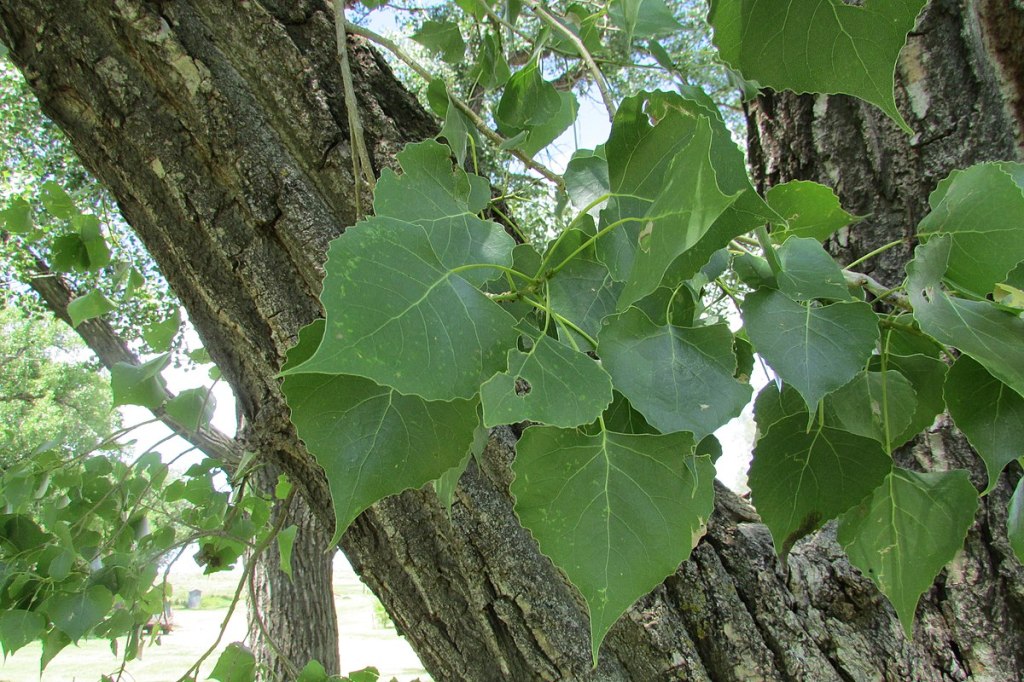
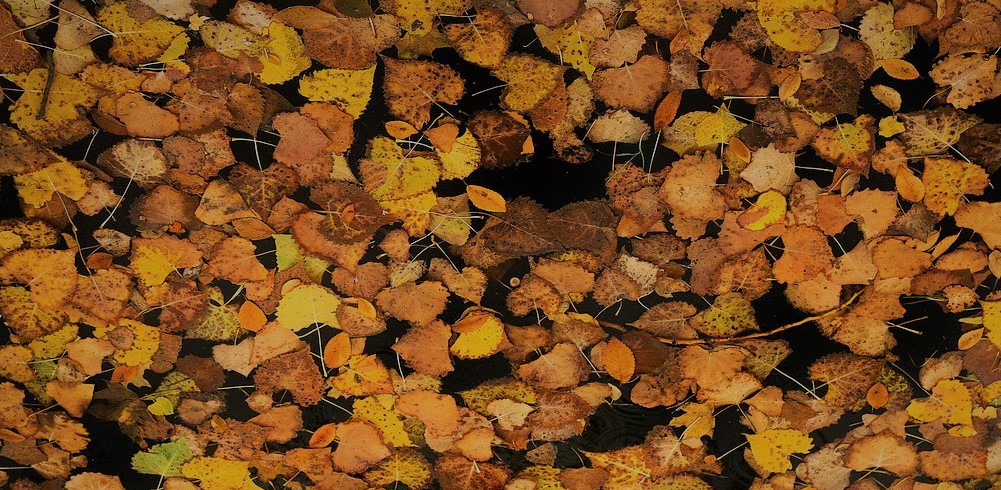
- Fremont Cottonwood’s glossy leaves are triangular, slightly toothed and ♥ shaped. Cottonwood leaves known for rustling song they sing even with gentle breezes.
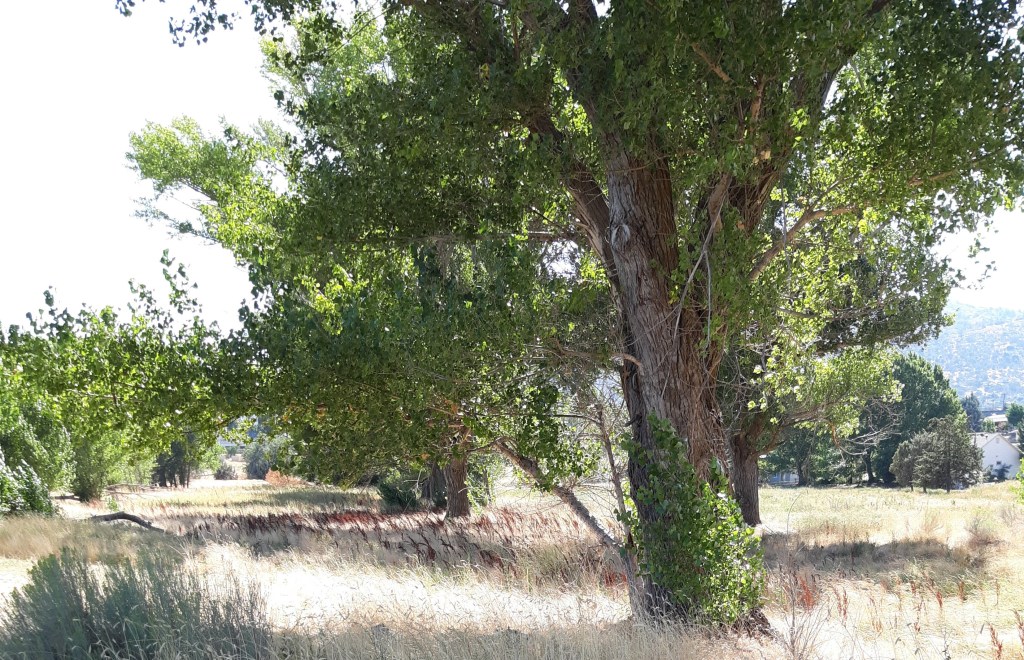
- Cottonwood/ Aspen / Poplar all in genus “POPULUS” have short lives for trees. They live about 100 years and grow quickly to about 100 feet.
- Poplars often form groves in barren, burned, or cleared areas. Groves are communities of trees that support and communicate with each other.
- Fremont Cottonwood is related to Willow. They love waterways.
- Cottonwoods grow fast in moist areas by creeks, streams and irrigation ditches but tolerate dry soil too.
- Thick bark of cottonwood helps this tree survive wildfires.
- Lewis and Clark attribute their success mostly to this tree.
- Beautiful seasonal tree – flowering in Spring, cottony in Summer, colorful in Fall.
- Pollinated seeds spread as snow for just two weeks in Summer. So, if allergic to cottonwood, their snow marks an end to suffering.
- Cottony seeds blow up to FIVE MILES, on a windy day maybe more!
- AZ Hopi Peoples hold Cottonwood Sacred – Listen to Wind Messages
- Squirrels and birds eat tree buds, plus woodpeckers and raccoons shelter within.
- BARK, like people, is smooth when young, wrinkled when older. Also like people, branches break when very old.

FUN USES FOR COTTONWOOD
- When you see cottonwoods in the environment you know water is nearby.
- Paper and cardboard are made from this softwood pulp.
- Edible – Sap is Sweet, Bark is Bitter.
- Inner Bark fibers used for cord making.
- Central Cali Yokut Peoples use cottonwood twigs in their basketry.
- Black Cottonwood’s reddish resin reduces pain and fever.
Read More About It
- Habitat and more use info at: http://mojavedesert.net/trees/cottonwood/

Oakie – Doakie!
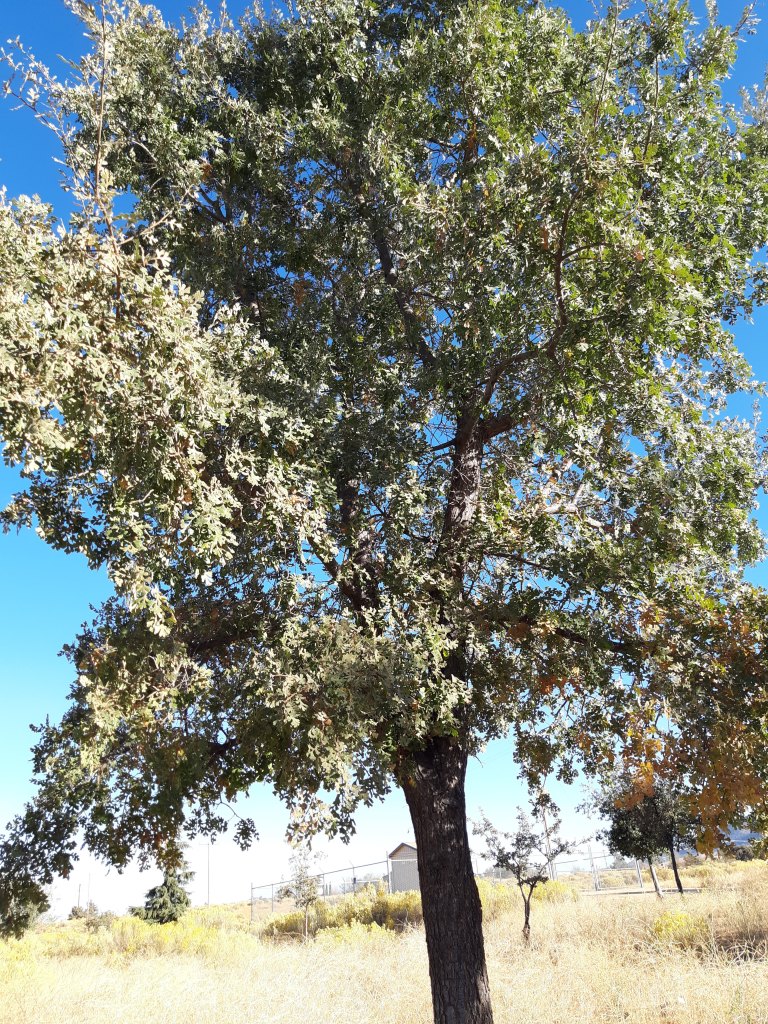
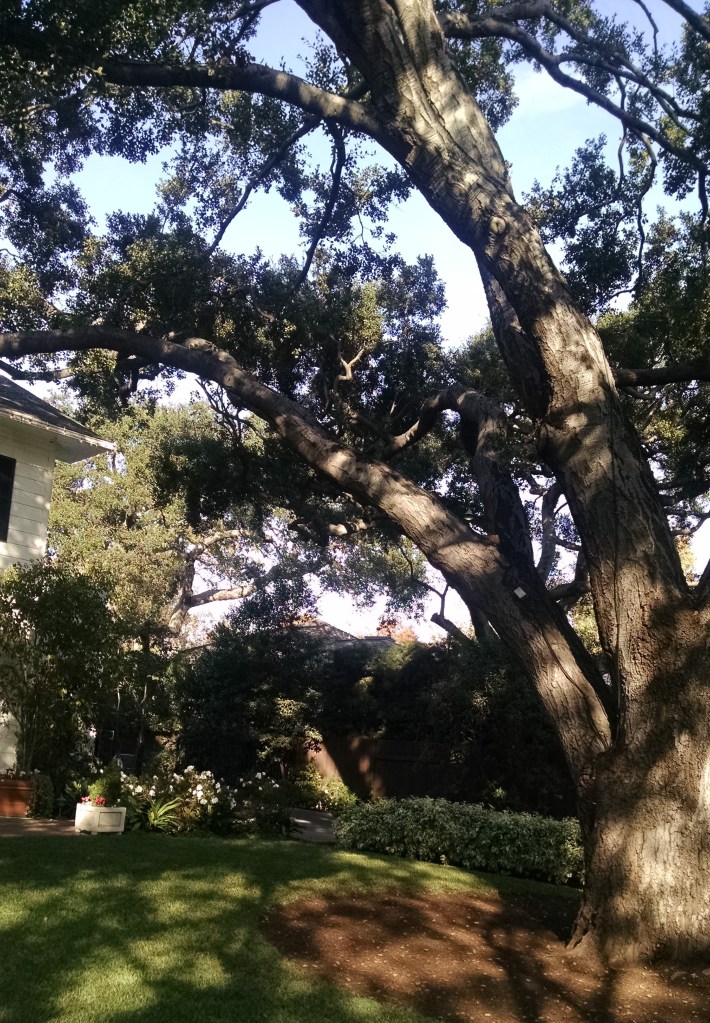
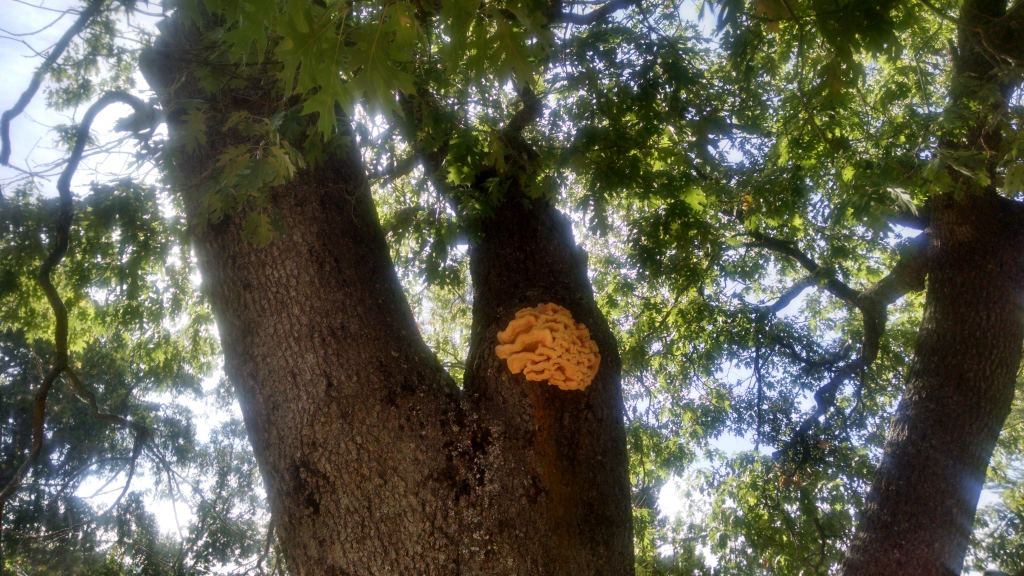
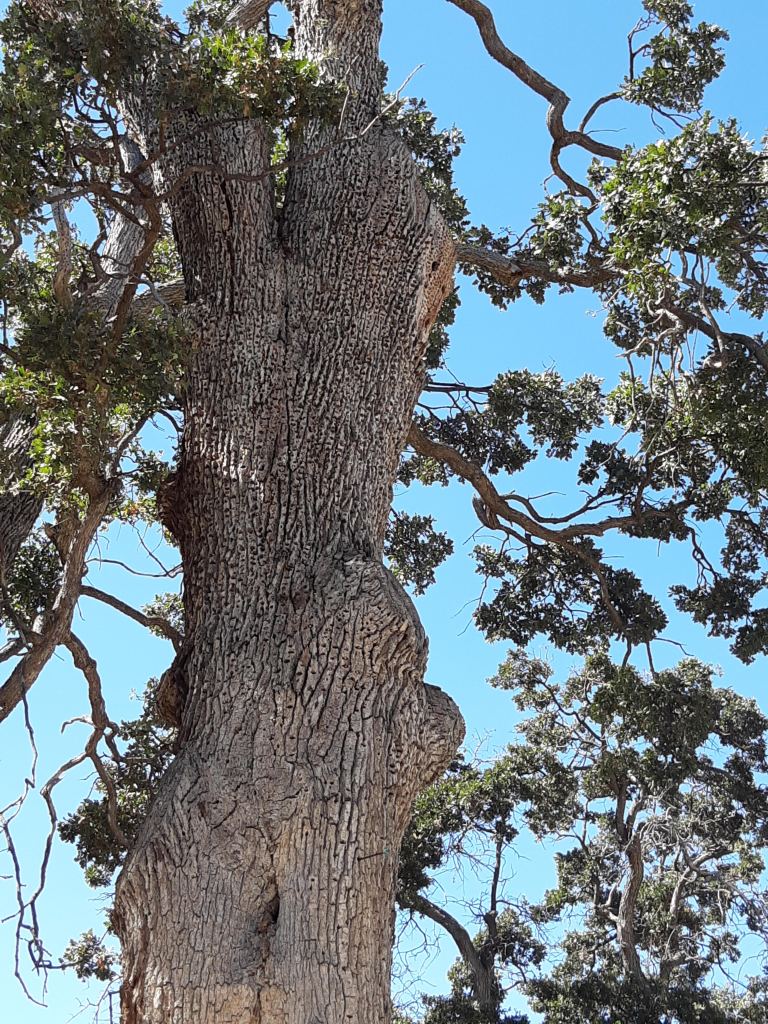
FEATURED NATIVE TREE: Central California OAK/Quercus
photos and text by Marisa Folse
TREE TWO: This week features not just any Oak tree but Interior Live or Valley Oaks. TREE TWO DATES: Post Selfie Pics March 9-10 or April 8th to 15th.
WIN $200: Take a selfie with featured tree during above-noted 2 days of Arbor Week or week of April Tree Hunt. Then post it using @guardiansaroundtheearth on Instagram or #OpenYourGATE on Facebook. Post all 4 featured trees (and follow our FB page) to enter raffle on April 30th – Arbor Day.
FUN FACTS ABOUT – OAK TREES!
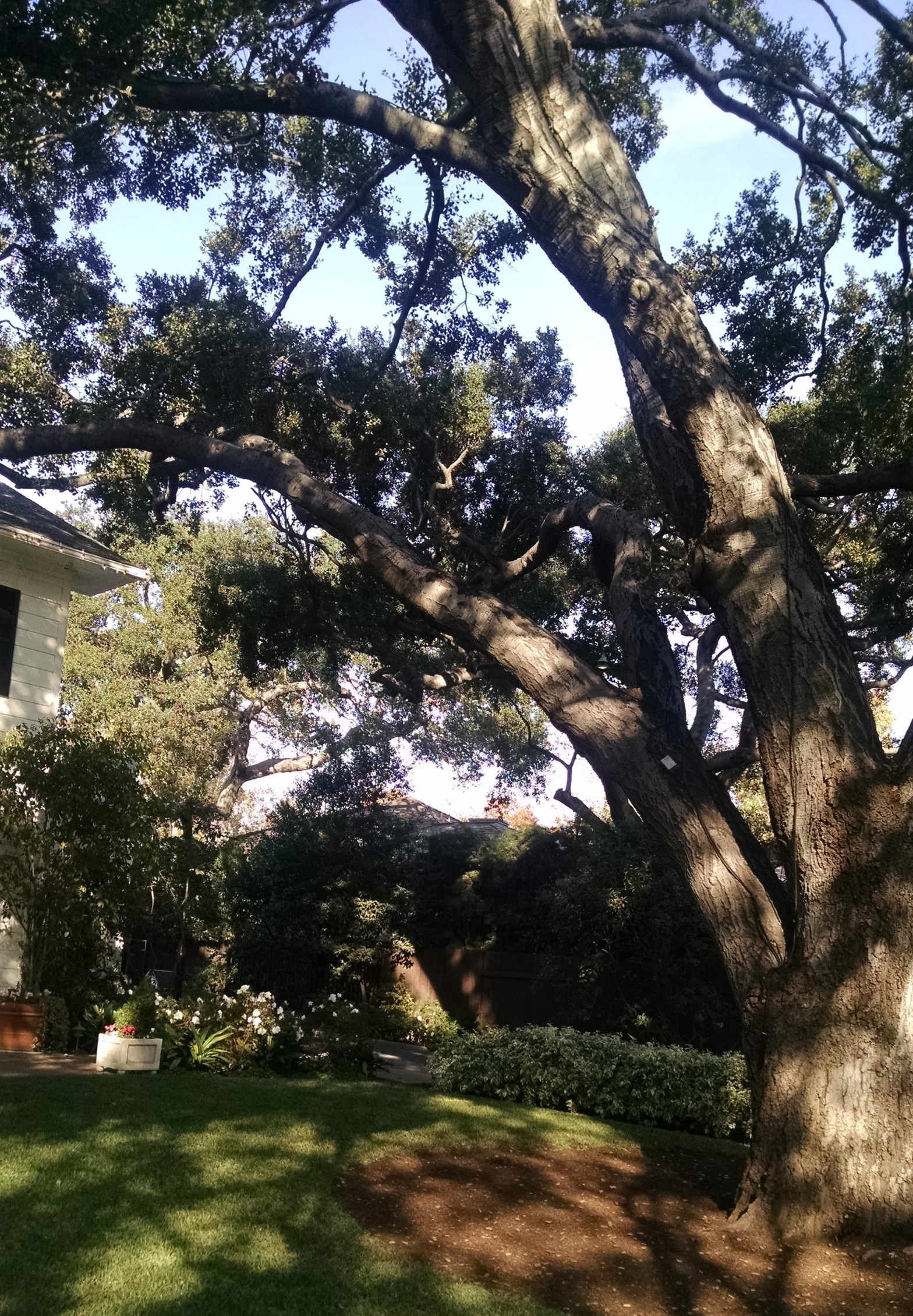
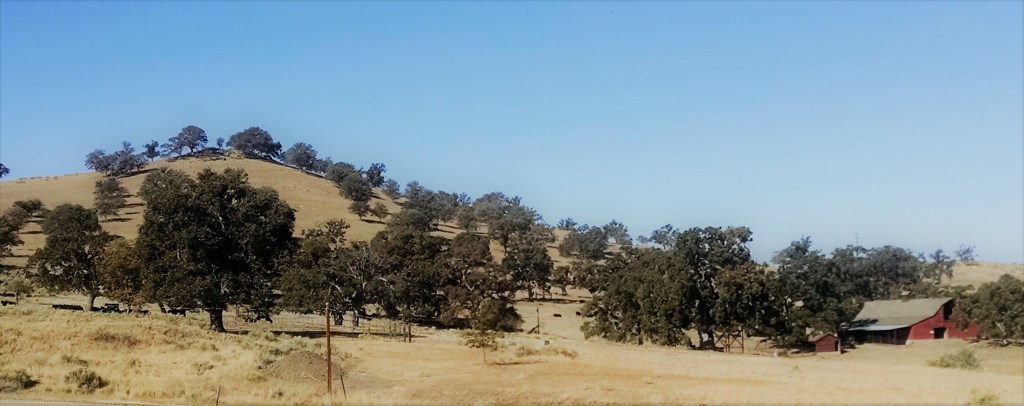
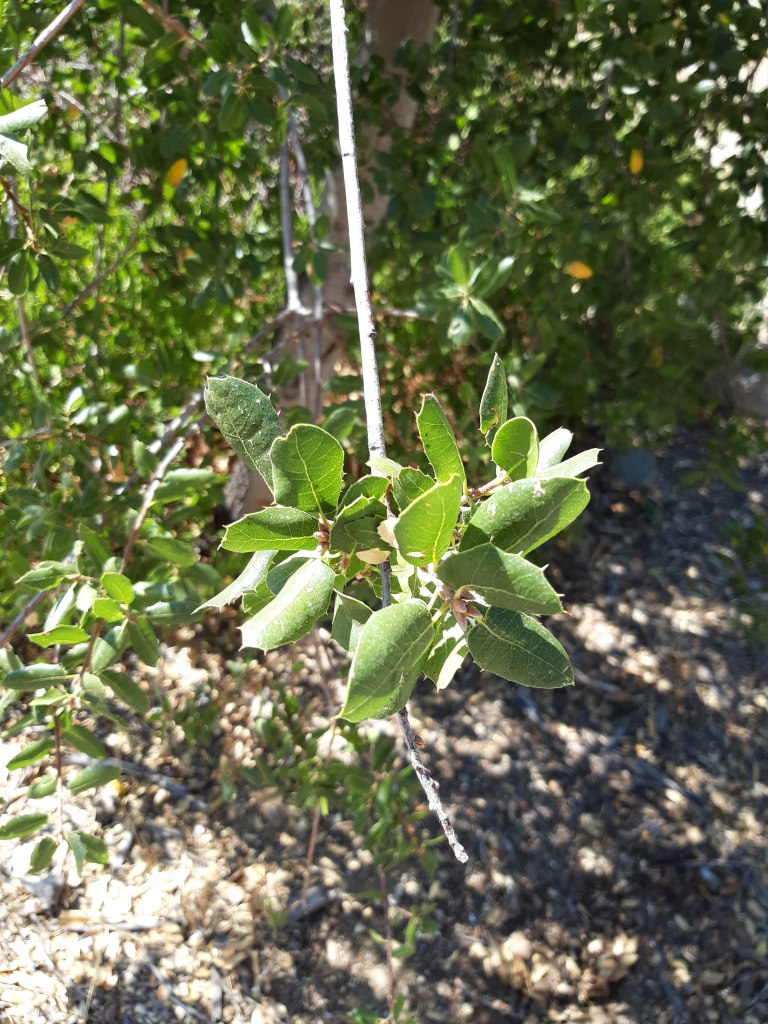
- Eight different Oak Tree species natively grow in Kern County environment of the 20 native to California. Most Oak Trees look similar, some are shrubby like Interior Live Oak and some are majestic like Valley Oak. Leaves, bark, and acorns are different by species. 80% of native Oak woodland in California is privately owned.
- Oak Trees filter water. A large oak may give off 100 gallons of water a day. A tree takes in twice as much as it evaporates through its leaves. Evaporated tree water eventually forms clean water clouds, then rain, and this cycle renews.
- All Oak Trees require personal space or physical distancing. Recent Covid-19 experiences gave everyone more awareness of personal space needs for health. Naturally growing trees require more personal space than ones planted from pots. That means, in a natural setting, changes anywhere around a tree as far away as twice its height affect that tree’s health. For this reason, Oak’s biggest threat is residential and commercial development.
- Some people can innately sense the vibe or aura of certain Oak trees. A few individuals can physically sense the outer boundary of a tree’s personal space. Intuitive children approaching wild trees may stop just outside a trees dripline, sensing some indescribable barrier. Can you sense anything?
- Most wildfires start by human actions. Luckily, two of California’s Oak Tree types are fire tolerant. Since wildfires occur annually, this makes sense. Blue Oak (Q. douglasii) tolerates grass fires and Englemann Oak tolerates hot forest fires.

California’s Oak Woodland Species
- Blue Oak (Quercus douglasii)
- California Black Oak (Quercus kelloggii)
- Canyon Live Oak (Quercus chrysolepis)
- Coast Live Oak (Quercus agrifolia)
- Engelmann Oak (Quercus engelmannii)
- Interior Live Oak (Quecus wislizeni) – This evergreen prefers hills, mountains and streams.
- Oregon White Oak (Quercus garryana)
- Valley Oak (Quercus lobata) – This largest Oak in California can grow over 100 feet and live about 300 years.

FUN USES FOR OAK TREES!
- Edible acorns, BUT major prep getting bitter, somewhat toxic, tannins out of them.
- Bark and water solution can tan leather.
- Oak bark has astringent and anti-inflammatory properties.
- Young branches or branch strips weave into baskets, mats, blinds and other items.
Learn More About It:
Check out these great links –
Joshing Joshua – Yucca Yucca
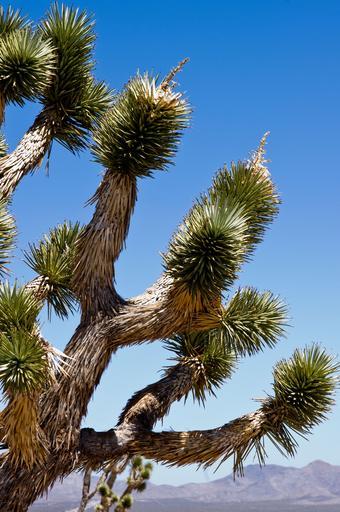
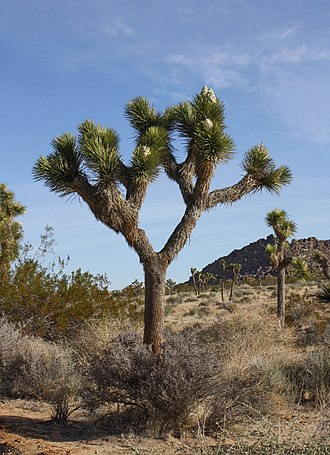
Week One Featured Tree: Joshua Tree / Yucca brevifolia by Marisa Folse
TREE ONE DATES: Post Selfie with Tree March 7-8 or April 1st to 7th.
WIN $200: Take a selfie with featured tree during above-noted 2 days of Arbor Week or week of April Tree Hunt. Then post it using @guardiansaroundtheearth on Instagram or #OpenYourGATE on Facebook. Post all 4 featured trees (and follow our FB page) to enter raffle on April 30th – Arbor Day.

FUN FACTS ABOUT – JOSHUA TREES
- Slow Growers: Joshua’s grow only three (3) inches a year for first ten years! That means a yardstick high tree is over 30 YEARS old.
- Growth slows with age. After first ten years, Joshua trees grow less than 2 inches a year on average. A ten foot tall Yucca Tree is about 80 years old.
- Joshua tree is home to Wood Rats, Scott’s Orioles, Yucca Moths and other desert dwellers.
- Ancestral Natives of region used leaves for sandals and basketry.
- Root system can be shallow and radial like other ancient Cali trees (Giant Sequoia or Redwood).
- Edible tree parts are Flowers, Seeds, Fruit and Roots. Flower buds are bitter and open flower centers are too. Yet open flowers said to be sweet when roasted. Root, young fruit, and seeds are eaten raw or cooked. Note: Joshua roots are pencil thin and very fibrous, unlike the bulbous Yucca roots found in stores. But in a pinch, one can gnaw on a root for sustenance.


Not So Fun Facts – Joshua’s Climate Challenge
- ATVs and desert explorers upset these slow growers. Developers simply cut them down.
- As many forests interconnect underground, surface traffic has negative effect on tree health.
- Over a million Joshua Trees killed in August 2020 Cima Dome Fire. Altered climate events increased fire vulnerability for Joshua Trees. These burnt and their seedlings will not return.
- Fewer young yucca trees now exist due to climate change impacts. Drought and higher ambient temperatures are reducing quantity of young Joshua trees.
- In late 2020, Joshua Tree named and protected as a California Endangered Species. First plant ever listed due to climate impacts.
Take Action
- Young Joshua trees are now being planting near Cima Dome. Find out more from National Park Service.
- We at Guardians Around The Earth seek to join the Joshua Tree Genome Project work mapping regional trees. Current sites are along 58 freeway between Sand Canyon and Mojave Exits. Volunteers welcome to join our TreeForce.

Read More About It:
Check out these great links
Week 1: Joshua Tree
(https://en.wikipedia.org/wiki/Yucca_brevifolia)
Joshua trees are native to the Mojave desert in parts of California, Nevada, Utah and Arizona. They can’t be found anywhere else in the world! They are very slow growing, and can live to be very old. They are a succulent- a kind of plant that stores water- which helps them survive in very hot, dry environments. They are a rare and special tree, so they are protected from being removed or cut down. Especially as temperatures increase due to climate change, it is becoming harder for Jashua Trees to survive and reproduce.
How many Joshua trees can you find this week? Tag @GuardiansAroundTheEarth in your selfies!
Sources:
Celebrating Trees
By Grace Colbert
Why should we celebrate trees?
Take a look outside. Chances are, you can see a tree or two from your window! Trees are essential to life on Earth and are important for both humans and animals.
Perhaps most importantly, trees give off oxygen through a process called photosynthesis. We need oxygen to live! Trees in our environment also give nutrients- or food- to the soil so other plants and trees can continue to grow. Many animals make their homes in trees, like woodpeckers, sloths, and beetles. Humans use the wood from trees to make many everyday products such as wood for building, paper, and even chewing gum! Trees sure give us a lot, so here are some ideas for how we can celebrate and give back to them!
How can we celebrate trees?
- Write a poem in the shape of a tree like this example
- Draw a tree
- Study the trees’ leaves
- Take a tree walk. Use this guide and see how many different trees you can identify
- Sit under a tree and play “fistfuls of sounds”. With your eyes closed, count how many different sounds you can hear. Can you count 10 different sounds?
- Watch and Learn
How can we give back to trees?
- Donate/Plant: Planting a tree is a great way to give back and help replace some of the trees humans use to make products.
- You can plant your own in your own backyard. Visit your local garden center to find what will grow best. Learn more about how to plant a tree here
- For just $1 you can donate to plant a tree here
- Preserve: You can help trees in your daily life by being kind and letting them grow. Have you ever seen a tree with words or markings carved into it? Or maybe you’ve seen someone break off a tree branch to use as a walking stick? While it may seem like fun, these actions are harmful to trees. You can do your part and leave them be. Help remind your friends and family to do the same, and together we can protect our trees for years to come.
- Volunteer: Join GATE as a volunteer with the Tree Force! GATE identifies trees in need of help and assigns volunteers to special projects in the Tehachapi area. Projects may include clearing brush, removing dead sections, or cutting constraints from around trees to promote improved growth.