Wasteful Woes

by Marisa Folse 1Sep2022

Years ago I made a pledge to reduce household waste and carbon footprint. I am happy to report I take out trashcan only once a month for pick up, a big change from weekly dumping. Now however, I notice a distressing personal trash trend. It is what I call Shy-Based Petro.

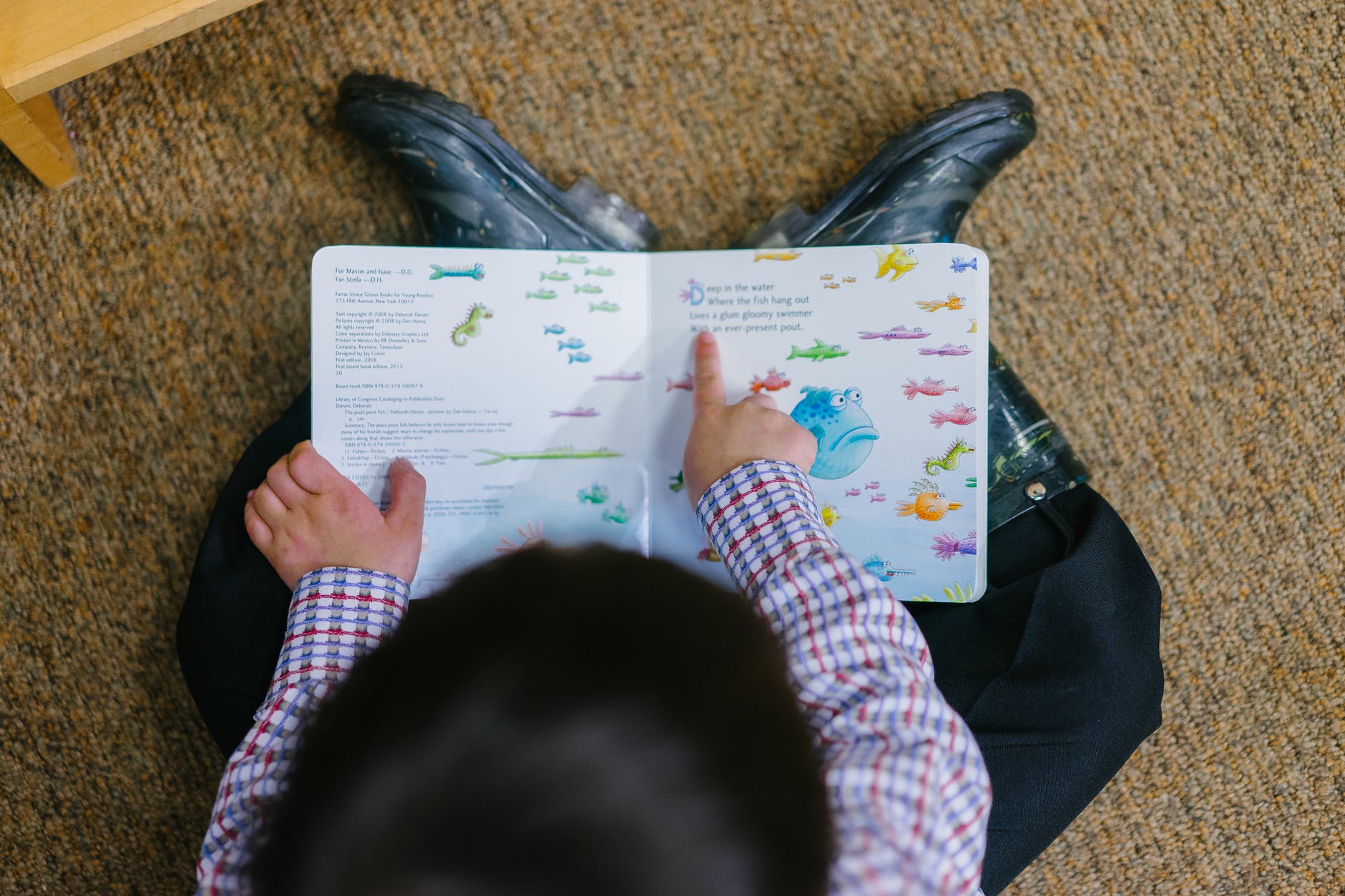
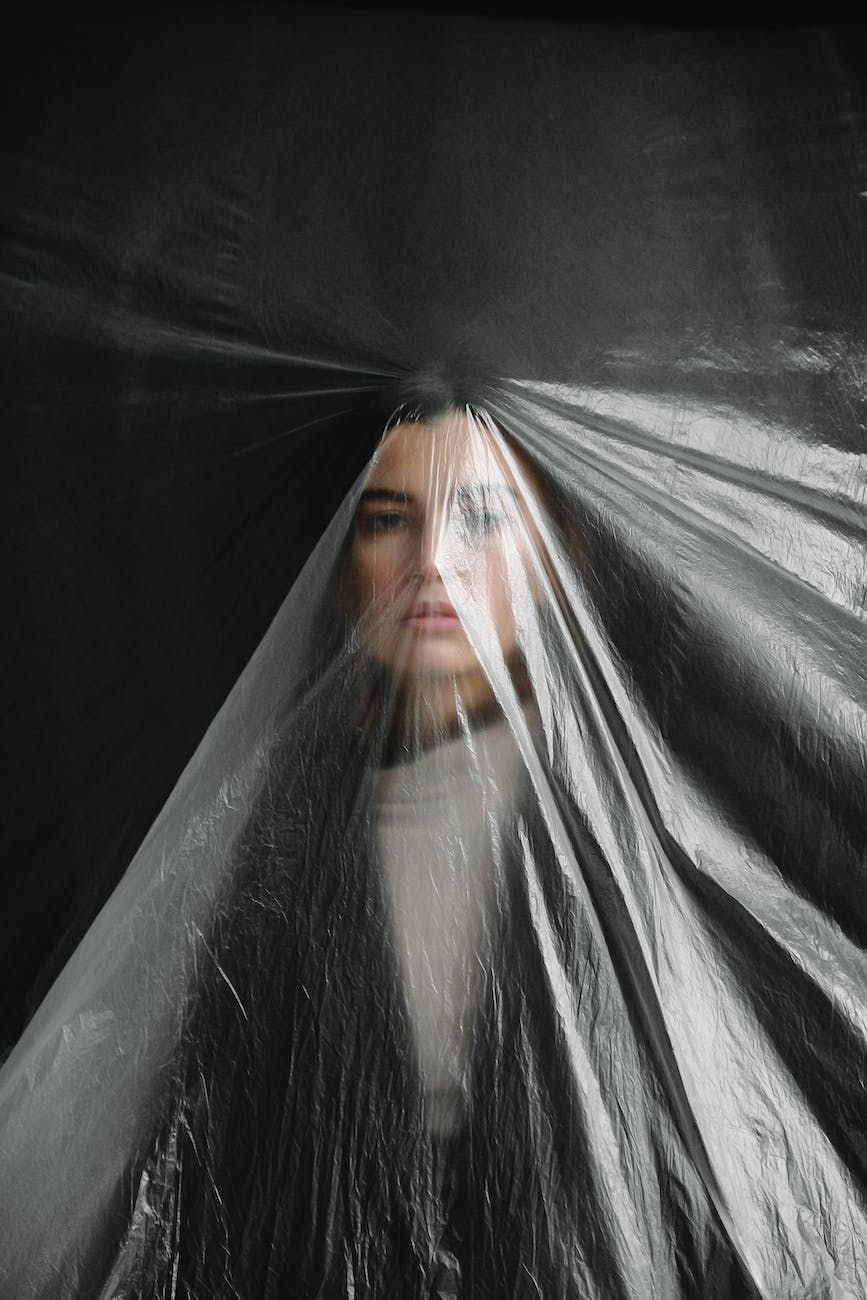
Photo by Anna Shvets on Pexels.com

Admittedly, I am exceedingly, even painfully shy. Hard to tell as my work of choice requires me to interact daily with numerous people. Yet, each day I return home to release, recover, refocus. You may think COVID shutdowns were great for shy-sods like me. But no, for some post-COVID anxiety of socializing with others is WORSE. My COVID experience was different during these past few years; I was one of many workers NOT experiencing a shutdown. I worked away from home the entire time, driving each workday on nearly vacant roadways.

But let me get back to household waste woes. A recent article shows COVID-based needs increased waste and single-use plastics by nearly 300% from pre-COVID production. Think about it, all those disposable PPE – masks, gloves and hand sanitizer bottles. But I digress from my topic.

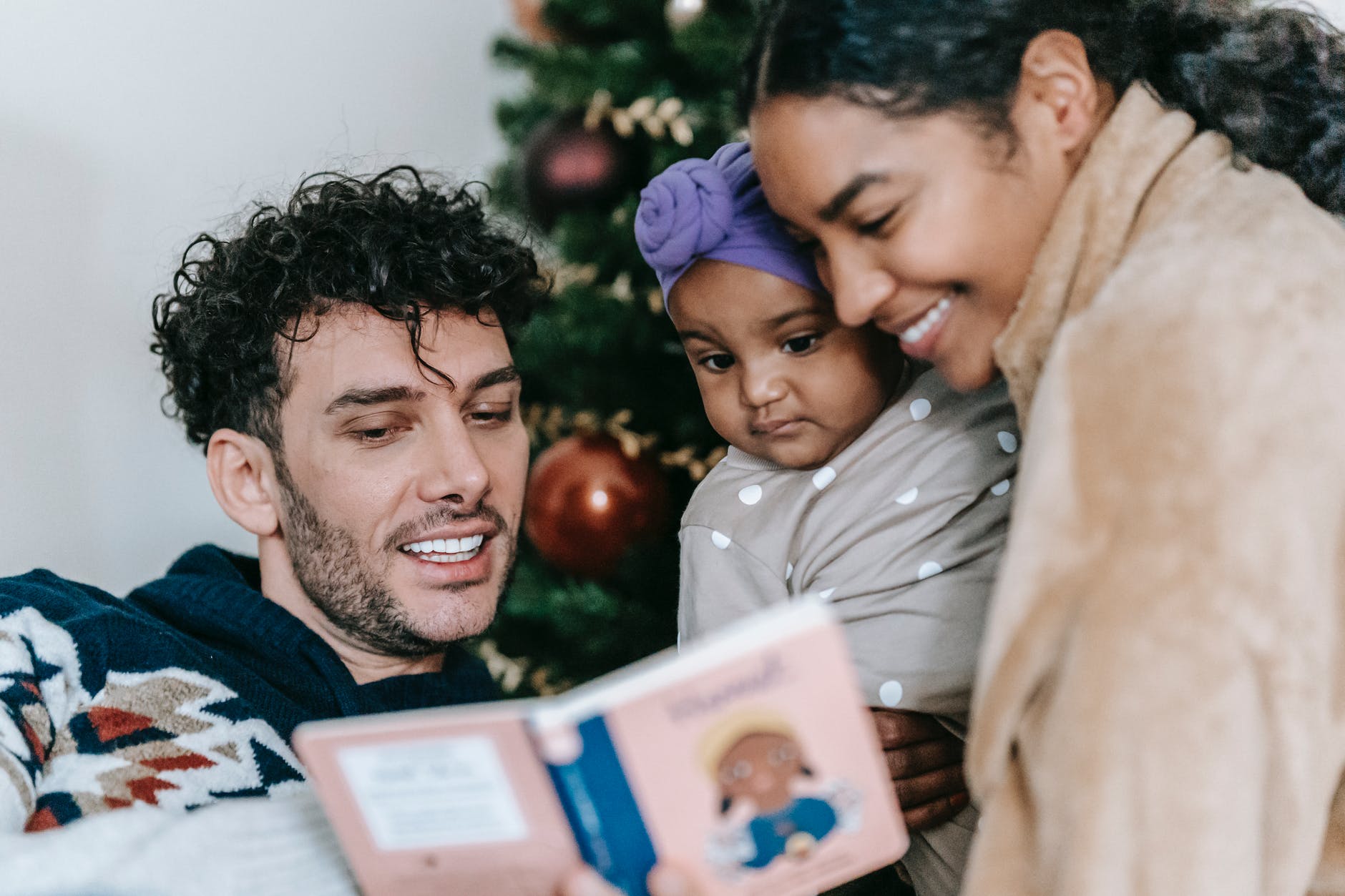
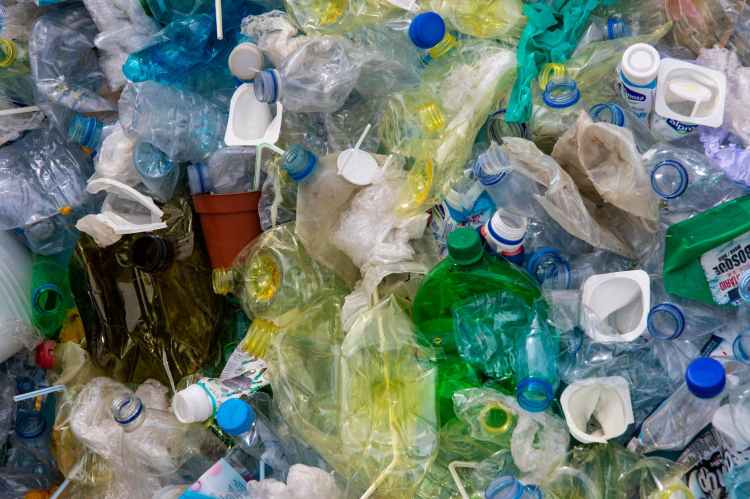
Photo by Kampus Production on Pexels.com

COVID restrictions make it easier to shop in new ways without face-to-face interactions. Win-win for shy folk. Online shopping, self check outs, prepackaged deli and butcher items make it possible to do errands without coming face-to-face with another human. My dilemma – THIS SHY SHOPPING PATH BOOSTS PLASTIC TRASH!

Too shy to talk to butcher, I choose prepackaged cuts entirely wrapped in plastic. Household items ordered online arrive with plastic padding in the shipped boxes. Even conscious choices of cardboard boxed purchases instead of plastic reveals plastic inner liners containing contents. Drat this shy business!

So, even though my trash quantity is less, a larger percentage of it is now plastic. I make lots of changes to reduce plastic. Household sponges are walnut. Toothbrushes and similar items are bamboo. Global impact is more important than my shyness comfort. I MUST make a change. Here are a few new efforts to embrace.

New ways to focus plastic reduction efforts:

  • Change bottle soaps, shampoos and conditioners back to bars.
  • Change laundry and dish soap to dry types in plastic-free containers.
  • Decrease plastic wraps and cellophane. Encourage others to do the same.
  • Choose PPE that is NOT plastic based or individually wrapped.

Multicultural Book Challenge

As program director for GATE’s Learning & EduCare Project, I have always wanted to expand our educational horizons around the earth. This challenge is now achievable.

Photo by mentatdgt on Pexels.com

During a child development class, I saw a TED Talk by Anne Morgan. She shared desire to expand the horizons of her personal bookshelves. In this talk, she spoke of her journey to read a book from each country of the world and the challenges she faced in taking on that task. Anne’s talk inspired me to do my own version of her challenge.

I’m a multiethnic early childhood educator, so my challenge is – read and add to our nonprofit library a quality children’s literature book from every country around the earth. Of course, not just any children’s book will do. Quality criteria must be applied since I am an educator first and foremost, with experience studying multicultural literature and leaning hard into early STEM. Chosen book criteria are the five listed.

MULTICULTURAL CHILDREN’S LITERATURE CRITERIA:

  • Ideally, picture books depicting scenes, people and experiences from that country.
  • Also if possible, books avoid story retells from outside cultures (i.e. Cinder-Ella).
  • Authors not limited to in country residents, but cultural depictions must be authentic.
  • Books should avoid stereotypes of people, yet accurate negative imagery is part of life and welcomed.
  • Family member roles and lifestyles are genuine, accurate and complex.

COUNTRY and REGIONS:
List of countries for this challenge was simple to determine. For instance, although http://www.listofcountriesoftheworld.com has over 250 countries listed, some are ancient civilizations, unoccupied by humans, or regions within other sovereign borders. The United Nations has most commonly recognized list of sovereign states, currently at just over 190. However, a few countries spread across vast regions of the globe – specifically, Australia, China, Russia and United States. In fairness, various regions within these countries will be included later as separate entries.

Afghanistan
Albania
Algeria
Andorra
Angola
Antigua and Barbuda
Argentina
Armenia
Australia
Austria
Azerbaijan

Bahamas
Bahrain
Bangladesh
Barbados
Belarus
Belgium
Belize
Benin
Bhutan
Bolivia

Bosnia & Herzegovina
Botswana
Brazil
Brunei Darussalam
Bulgaria
Burkina Faso
Burundi

Cabo Verde
Cambodia
Cameroon
Canada
Ctrl African Republic
Chad
Chile
China
Colombia
Comoros
Congo
Costa Rica
Côte D’Ivoire
Croatia

Cuba
Cyprus
Czech Republic

DPR of Korea
DR of Congo
Denmark
Djibouti
Dominica
Dominican Republic

Ecuador
Egypt
El Salvador
Equatorial Guinea
Eritrea
Estonia
Ethiopia

Fiji
Finland
France

Gabon
Gambia
Georgia
Germany
Ghana
Greece
Grenada
Guatemala
Guinea
Guinea Bissau
Guyana

Haiti
Honduras
Hungary
Iceland
India
Indonesia
Iran
Iraq
Ireland
Israel
Italy

Jamaica
Japan
Jordan
Kazakhstan
Kenya
Kiribati
Kuwait
Kyrgyzstan

Lao People’s Rep.
Latvia
Lebanon
Lesotho
Liberia
Libya
Liechtenstein
Lithuania
Luxembourg

Macedonia- X Yugoslav Rep.
Madagascar
Malawi
Malaysia
Maldives

Mali
Malta
Marshall Islands
Mauritania
Mauritius
Mexico
Micronesia
Monaco
Mongolia
Montenegro
Morocco
Mozambique
Myanmar

Namibia
Nauru
Nepal
Netherlands
New Zealand
Nicaragua
Niger
Nigeria
Norway

Oman
Pakistan
Palau
Panama
Papua New Guinea
Paraguay
Peru
Philippines
Poland
Portugal

Qatar
Republic of Korea
Republic of Moldova
Romania
Russian Federation
Rwanda

Saint Kitts and Nevis
Saint Lucia
St Vincent & Grenadine
Samoa
San Marino
Sao Tome & Principe

Saudi Arabia
Senegal
Serbia
Seychelles
Sierra Leone
Singapore
Slovakia
Slovenia
Solomon Islands
Somalia
South Africa
South Sudan
Spain
Sri Lanka
Sudan
Suriname
Swaziland
Sweden
Switzerland
Syrian Arab Republic

Tajikistan
Thailand
Timor-Leste
Togo
Tonga
Trinidad and Tobago
Tunisia
Turkey
Turkmenistan
Tuvalu

Uganda
Ukraine
United Arab Emirates
U K of Great Britain & North Ireland
U Republic of Tanzania
U States of America
Uruguay
Uzbekistan

Vanuatu
Venezuela
Viet Nam
Yemen
Zambia
Zimbabwe

This is my challenge. You can help.

  • Join me by expanding your reads to include diverse cultures.
  • Let me know what you read to your children in comments.
  • Post comments on book suggestions.
  • Donate a good multicultural children’s book to us by mail.
  • Watch for GATE’s YouTube videos where I present Multiethnic Enviro Ed On Our World.

It’s gettin’ hot in here…

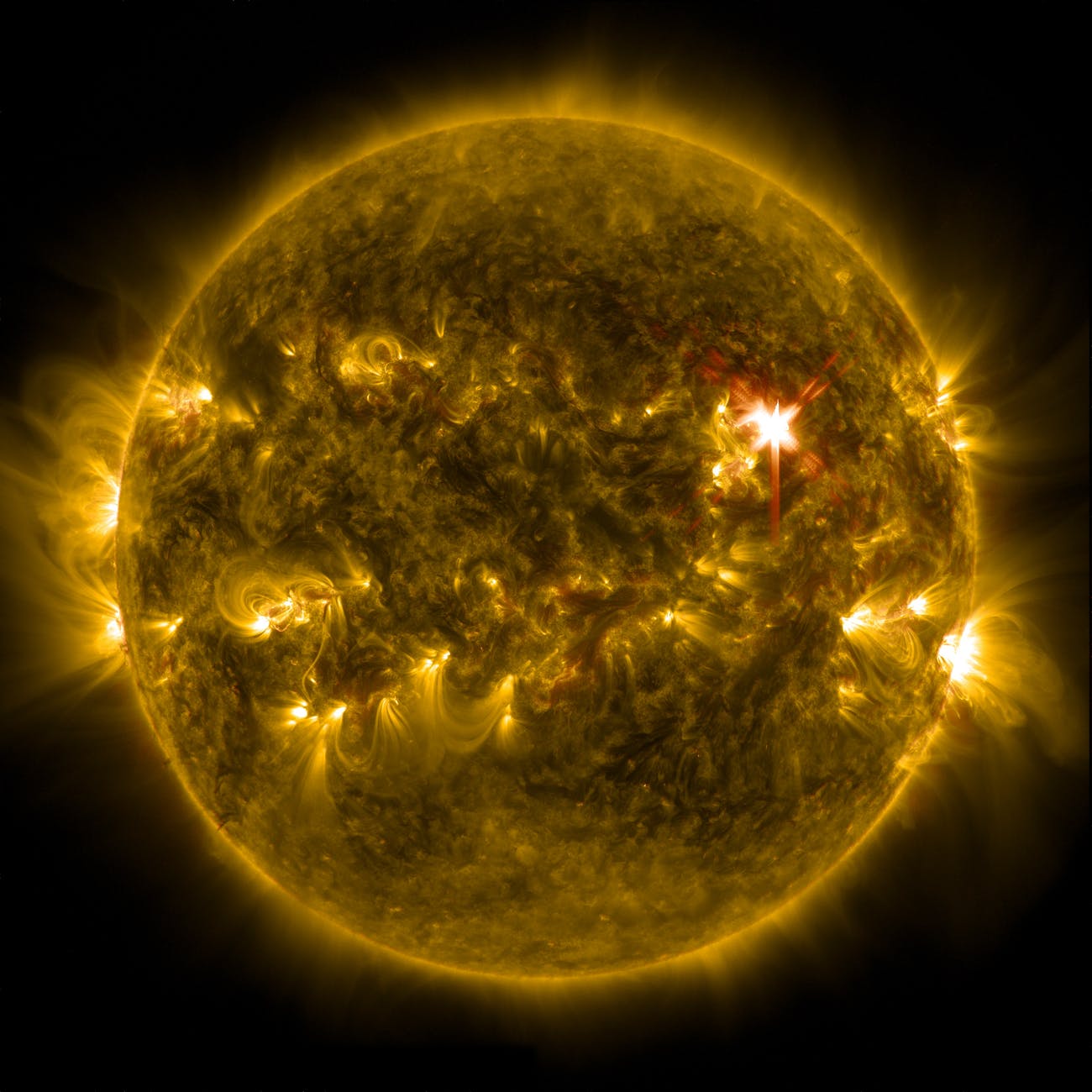
 Global warming is now irreversible. Human impact has pushed sea temps to its highest in over 100,000 years. Some homes and cities are underwater while others burn. This is a global crisis, bt each of us are part of the solution. Take action within your own home and neighborhood to spread the word and make a change. Read more on Intergovernmental Panel on Climate Change (IPCC) report and quotes from UN response:

UN Secretary-General António Guterres said in his reaction to this report, the solutions are clear: “Inclusive and green economies, prosperity, cleaner air and better health are possible for all, if we respond to this crisis with solidarity and courage.”

IPCC Working Group I Co-Chair Panmao Zhai – “Stabilizing the climate will require strong, rapid, and sustained reductions in greenhouse gas emissions, and reaching net zero CO2 emissions. Limiting other greenhouse gases and air pollutants, especially methane, could have benefits both for health and the climate.”

Click link below for UN article on the full report.

https://news.un.org/en/story/2021/08/1097362

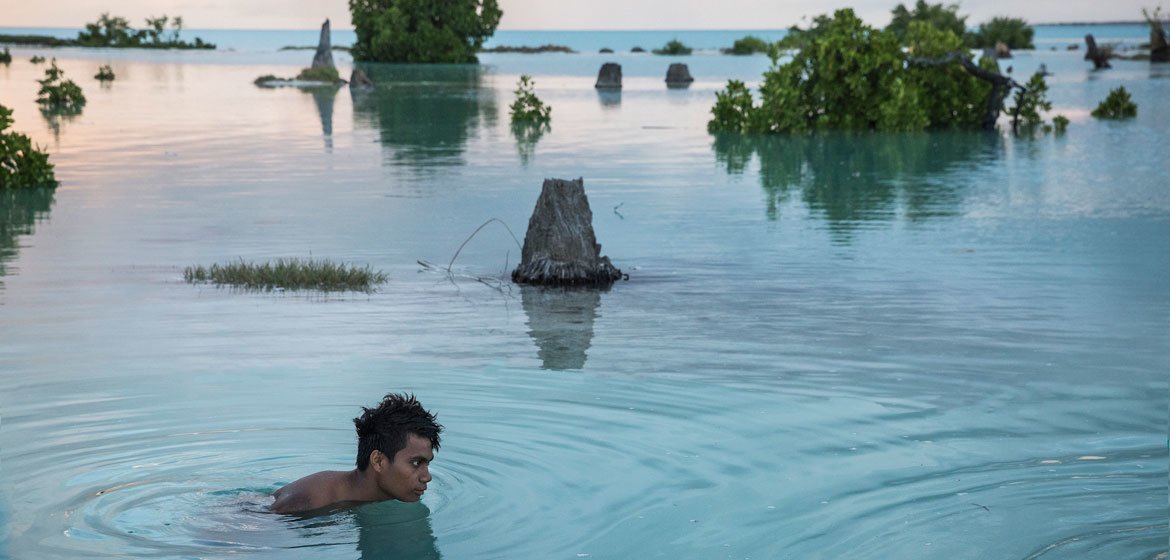
UNICEF/Sokhin
A 16-year-old child swims in the flooded area of Aberao village in Kiribati. The Pacific island is one of the countries worst affected by sea-level rise.

Guerilla Gardens and Food Forests

by Marisa Folse – Guardians Around The Earth

Ron Finley in his garden

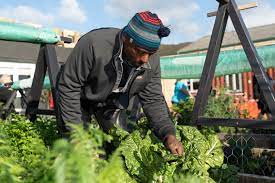
South Central LA is growing food in a former food desert. Nearly ten years ago, Ron Finley inspired others into “guerilla gardening“, a pop-up style of bloom where your planted mentality. As a result of this and other guerilla gardeners, vast food deserts across the country shrank to patchworks of green with healthy food access. Alleys, back porches, vacant lots now hold vegetables in container gardens and grow boxes with hard-core volunteers to work the dirt. Taking care of the neighborhood has a more holistic meaning – growing community building from its roots.

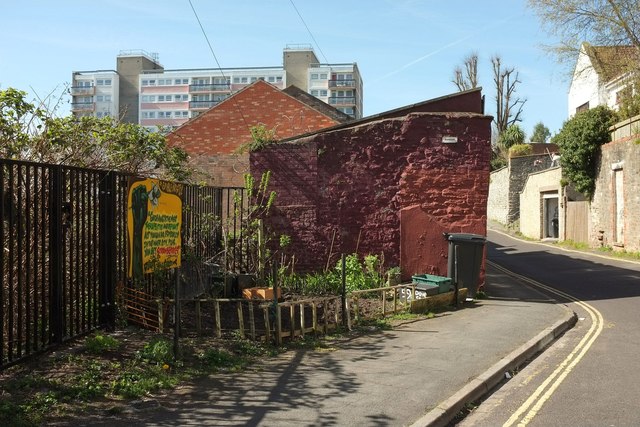
Photo by Derek Harper of Dove Street Garden

Just in case you did not know, guerilla gardening is technically illegal. But this type of gardening has been around for awhile. Back in the day, gardeners cultivated at night and in secret. Currently, daytime trespassing activities of gardeners are rarely harassed. Articles and websites are dedicated to the greening and beautification efforts of hundreds of guerillas worldwide. That vacant lot or abandoned building in your ‘hood has been an eyesore forever. It would look amazing with a flowery, or better yet a vegetable, garden that your whole community can access. Go for it – cultivate culture and create a community food forest. But remember that land does belong to someone somewhere. That someone may one day decide to show up, claim it and all that is on it.

Photo by Uriel Mont on Pexels.com

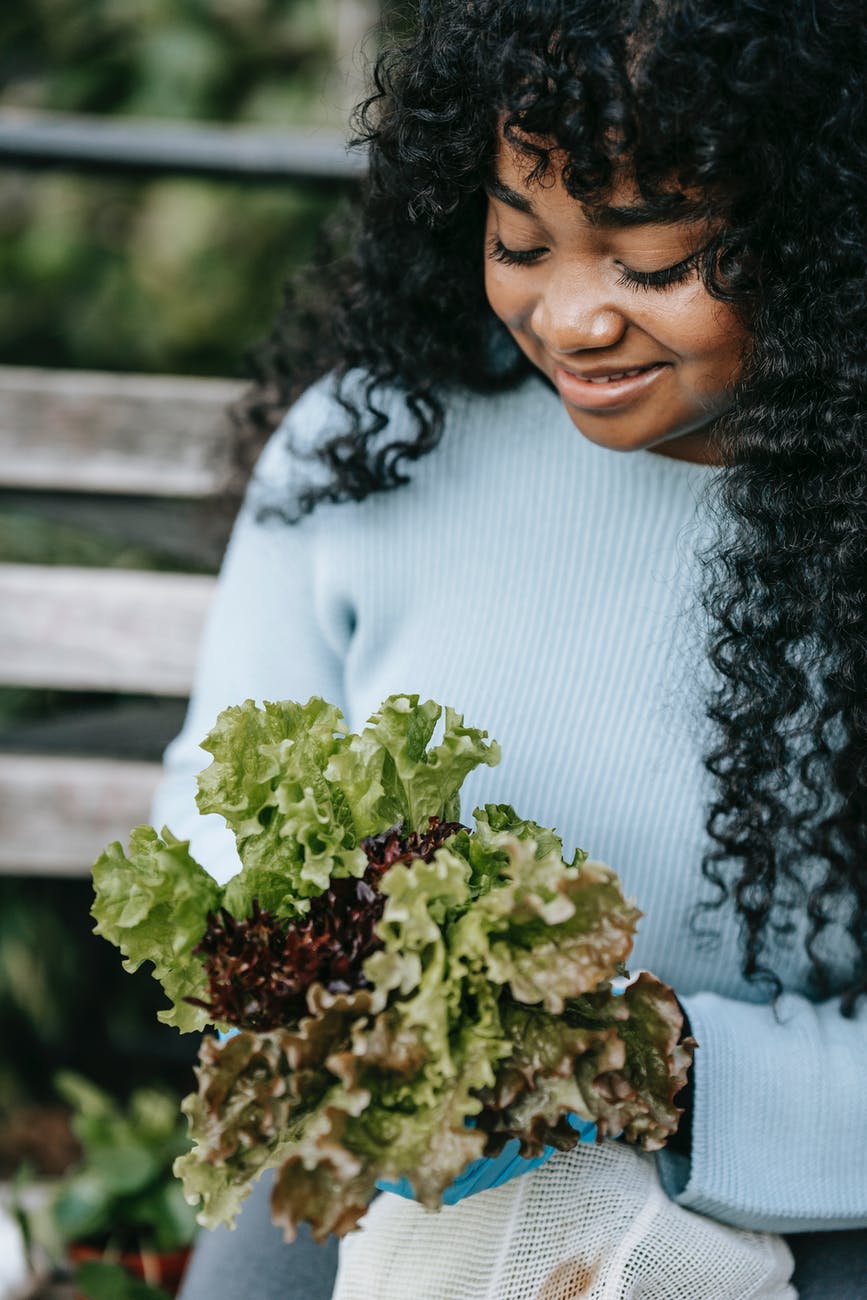
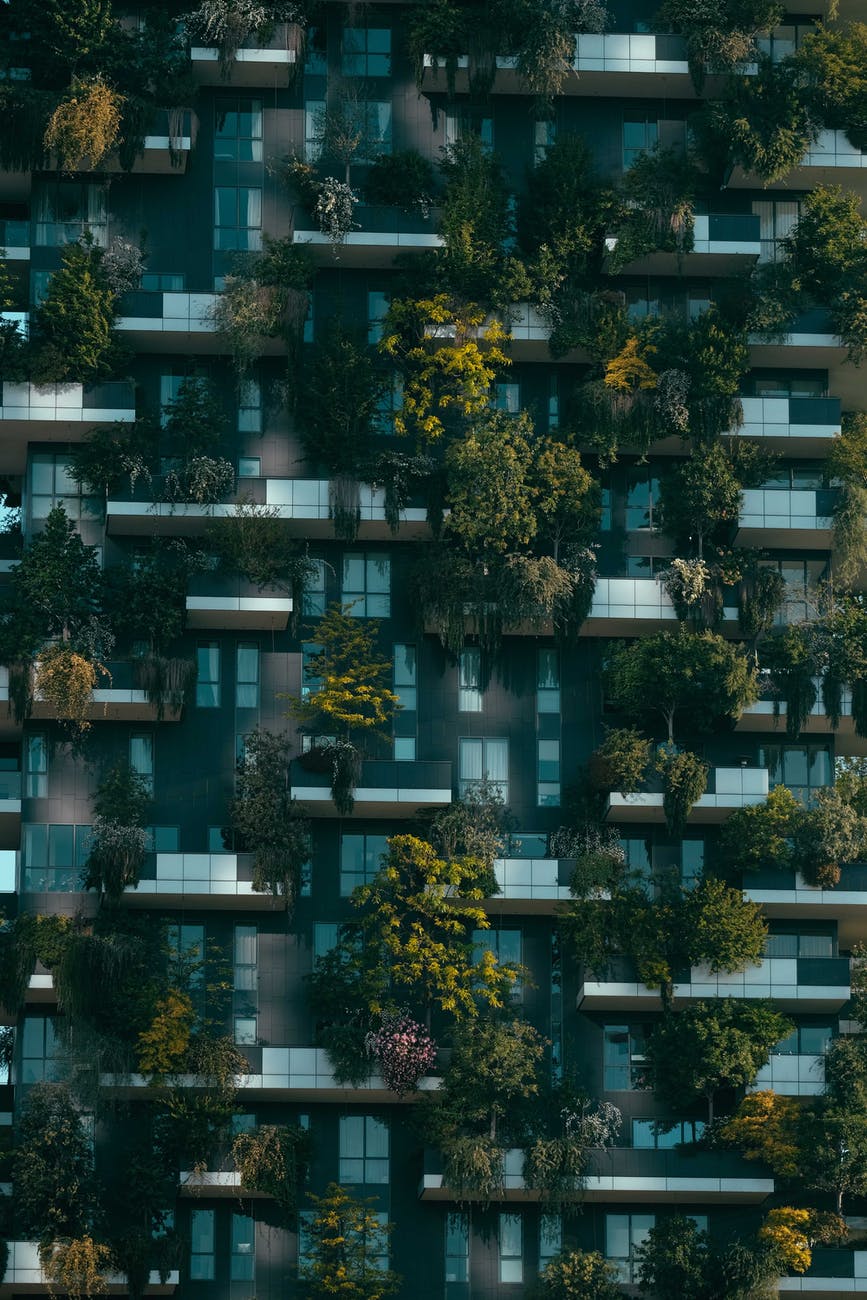
Food forests are also options for those who have a legal rights to land. Residents in Venice, CA and other areas Around The Earth are creating amazing edible landscaping areas. Homeowners and renters alike take out grass lawns and plant fruit and vegetable gardens instead. A great blog post from Daily Harvest Designs lists 10 edible garden examples with photos. If your thinking about re-landscaping, or recreating a small space, or even just have upright wall garden space, check out this and similar posts.

I read in The Guardian News that over 70 food forests started across the US in 2021. (Granted this is not an actual statistic.) Even though the USDA food desert locator shows some improvement in the last decade, millions of Americans suffer from food shortages. Food insecurity and hunger around the globe has increased since the recent pandemic. I can name some folks in my neighborhood that are regularly hungry. Can you? This should not be a reality and yet it is.

Photo by Francesco Ungaro on Pexels.com

A food forest goal is minimal maintenance once established. As with wild forests there is no need to weed, till, fertilize or irrigate. It develops its own self sustaining ecosystem. Taller trees keep smaller plants shaded so they retain moisture. A food forest is not a good option for those calmest with order and linear crops. Vines grow up and about edible shrubs, chaos abounds in some forests. Yet, it offers ongoing sustenance. Get more info on Community Food Forests HERE the site offers ways to build your own.

Sustainability has become a buzz-word, thank goodness. Nearly everyone has heard about it and either understands its concept or is working toward making sustainable a part of their daily lives. Agroforestry is also a new norm and USDA offers resources toward its development and maintenance. At times agroforestry works with indigenous populations for damaged ecosystem improvement that sustains Ag production and forest habitat.

Photo by Maria Orlova on Pexels.com

What does all this mean and where is it going from here? As always, Guardians Around The Earth offers info and asks you to TAKE ACTION.

  • Be a part of the solution.
  • Create or add to existing food provision efforts.
  • Donate where funds or volunteers are needed.
  • Change your yard to edibles.
  • Invite neighbors to join you and share the bounty.
  • Tell a friend. Like our Facebook page. Be Better!

Plastic Poison

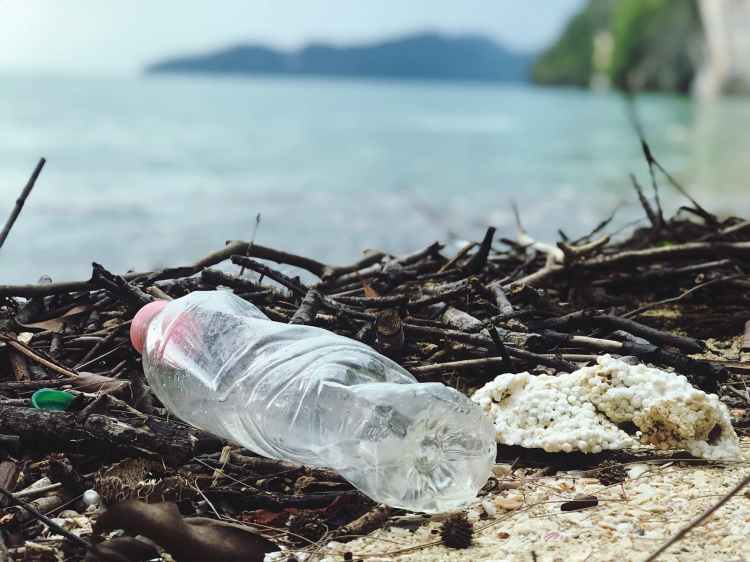
Plastic is everywhere. It’s been discovered in the air we breathe, in water we drink, inside animals, even in our own bodies. What is this poison doing to us and how can we stop this polymer madness?

A recent study shows only 20 companies produce OVER HALF of the world’s single-use plastic. Single-use accounts for a third of plastic produced annually and are those used once then thrown out, obviously. Yet those are what most likely ends up in our oceans wrecking havoc with environment and wildlife.

Sadly, nearly all single-use plastics are made without any recycled material. Even more sadly (and of course), the cause of our current global crisis is all about money. Large polymer producers are funded by global institution investors, big bank and corporate lenders. All large cogs moving a mighty machine and the individual investors are not aware of their contribution to all of this. Individuals like me! I discovered companies on the list that I financially supported (or benefitted from in retirement portfolio). Yep, I’m appalled at my lack of knowledge!

Now What!?!

Photo by Markus Spiske on Pexels.com

Find Out More – Research where your money goes and change it. (I’m looking into how I can, today.) If you’re not invested – talk to your parents, your friend’s parents, your boss. Let them know about companies listed.

Speak Up – write to decision makers and call for action. Talk to little decision makers like the supply purchaser at your favorite take out place! Ask for cardboard, waxed-paper or a discount if you bring your own container.

Decrease Use – Look at your trash, is it filled with plastic? You can decrease that footprint with smart purchasing choices. Look before you buy – is another option in sustainable packaging? Does it even need packaging? You’ll unwrap it at home, so why buy it wrapped at all!

Buy BulkHERE is a site that lists bulk groceries in the US. Okay, realistically COVID-19, forced bulk items into plastic storage. Soooo… not sure how long until that changes. Now you can choose to buy items that are NOT individually wrapped. Teach your kids about sustainability – let ’em pack lunch/snack using paper or a reusable bento box.
Use Alternatives – Before plastic took over our lives use of pottery, ceramics, stainless steel, wood, bamboo and even glass did everything. If you use store provided bags, ask for paper and add it to compost after use.

You Are Part of the Solution!

Act Now to Restore Earth.