Joshing Joshua – Yucca Yucca

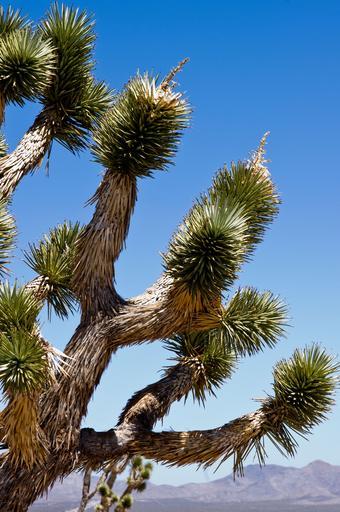
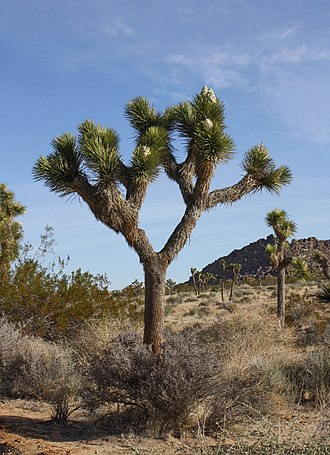
Week One Featured Tree: Joshua Tree / Yucca brevifolia by Marisa Folse

TREE ONE DATES: Post Selfie with Tree March 7-8 or April 1st to 7th.

WIN $200: Take a selfie with featured tree during above-noted 2 days of Arbor Week or week of April Tree Hunt. Then post it using @guardiansaroundtheearth on Instagram or #OpenYourGATE on Facebook. Post all 4 featured trees (and follow our FB page) to enter raffle on April 30th – Arbor Day.
Thanks Nathan Moore for Photo

FUN FACTS ABOUT – JOSHUA TREES

  • Slow Growers: Joshua’s grow only three (3) inches a year for first ten years! That means a yardstick high tree is over 30 YEARS old.
  • Growth slows with age. After first ten years, Joshua trees grow less than 2 inches a year on average. A ten foot tall Yucca Tree is about 80 years old.
  • Joshua tree is home to Wood Rats, Scott’s Orioles, Yucca Moths and other desert dwellers.
  • Ancestral Natives of region used leaves for sandals and basketry.
  • Root system can be shallow and radial like other ancient Cali trees (Giant Sequoia or Redwood).
  • Edible tree parts are Flowers, Seeds, Fruit and Roots. Flower buds are bitter and open flower centers are too. Yet open flowers said to be sweet when roasted. Root, young fruit, and seeds are eaten raw or cooked. Note: Joshua roots are pencil thin and very fibrous, unlike the bulbous Yucca roots found in stores. But in a pinch, one can gnaw on a root for sustenance.

Not So Fun Facts – Joshua’s Climate Challenge

  • ATVs and desert explorers upset these slow growers. Developers simply cut them down.
  • As many forests interconnect underground, surface traffic has negative effect on tree health.
  • Over a million Joshua Trees killed in August 2020 Cima Dome Fire. Altered climate events increased fire vulnerability for Joshua Trees. These burnt and their seedlings will not return.
  • Fewer young yucca trees now exist due to climate change impacts. Drought and higher ambient temperatures are reducing quantity of young Joshua trees.
  • In late 2020, Joshua Tree named and protected as a California Endangered Species. First plant ever listed due to climate impacts.

Take Action

  • Young Joshua trees are now being planting near Cima Dome. Find out more from National Park Service.
  • We at Guardians Around The Earth seek to join the Joshua Tree Genome Project work mapping regional trees. Current sites are along 58 freeway between Sand Canyon and Mojave Exits. Volunteers welcome to join our TreeForce.
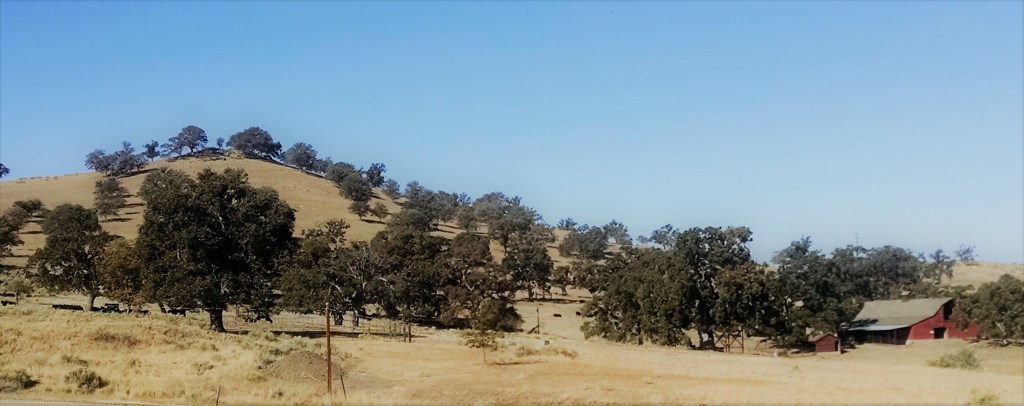
Dying Joshua Tree Forest along Oak Creek Road – photo by Marisa Folse

Read More About It:

Check out these great links

Week 1: Joshua Tree

Photo by Marisa Folse

(https://en.wikipedia.org/wiki/Yucca_brevifolia)

Joshua trees are native to the Mojave desert in parts of California, Nevada, Utah and Arizona. They can’t be found anywhere else in the world! They are very slow growing, and can live to be very old. They are a succulent- a kind of plant that stores water- which helps them survive in very hot, dry environments. They are a rare and special tree, so they are protected from being removed or cut down. Especially as temperatures increase due to climate change, it is becoming harder for Jashua Trees to survive and reproduce. 

How many Joshua trees can you find this week? Tag @GuardiansAroundTheEarth in your selfies!

Sources:

https://www.desertusa.com/flora/the-joshua-tree.html

https://www.npr.org/2020/09/27/917424837/california-grants-joshua-trees-temporary-endangered-species-protections

Celebrating Trees

By Grace Colbert

Why should we celebrate trees?

Take a look outside. Chances are, you can see a tree or two from your window! Trees are essential to life on Earth and are important for both humans and animals. 

Perhaps most importantly, trees give off oxygen through a process called photosynthesis. We need oxygen to live! Trees in our environment also give nutrients- or food- to the soil so other plants and trees can continue to grow. Many animals make their homes in trees, like woodpeckers, sloths, and beetles. Humans use the wood from trees to make many everyday products such as wood for building, paper, and even chewing gum! Trees sure give us a lot, so here are some ideas for how we can celebrate and give back to them!

How can we celebrate trees?

How can we give back to trees?

  • Donate/Plant: Planting a tree is a great way to give back and help replace some of the trees humans use to make products.
  • Preserve: You can help trees in your daily life by being kind and letting them grow. Have you ever seen a tree with words or markings carved into it? Or maybe you’ve seen someone break off a tree branch to use as a walking stick? While it may seem like fun, these actions are harmful to trees. You can do your part and leave them be. Help remind your friends and family to do the same, and together we can protect our trees for years to come. 
  • Volunteer: Join GATE as a volunteer with the Tree Force! GATE identifies trees in need of help and  assigns volunteers to special projects in the Tehachapi area. Projects may include clearing brush, removing dead sections, or cutting constraints from around trees to promote improved growth. 

Wildlife Friendly Gardens

National Wildlife Foundation offers the below five steps to Create Wildlife-Friendly Gardens. This post links to their website: http://www.nwf.org to certify your new wildlife habitat. Whether an apartment balcony or a 20-acre farm, a garden that attracts beautiful wildlife helps restore habitat in commercial and residential areas.

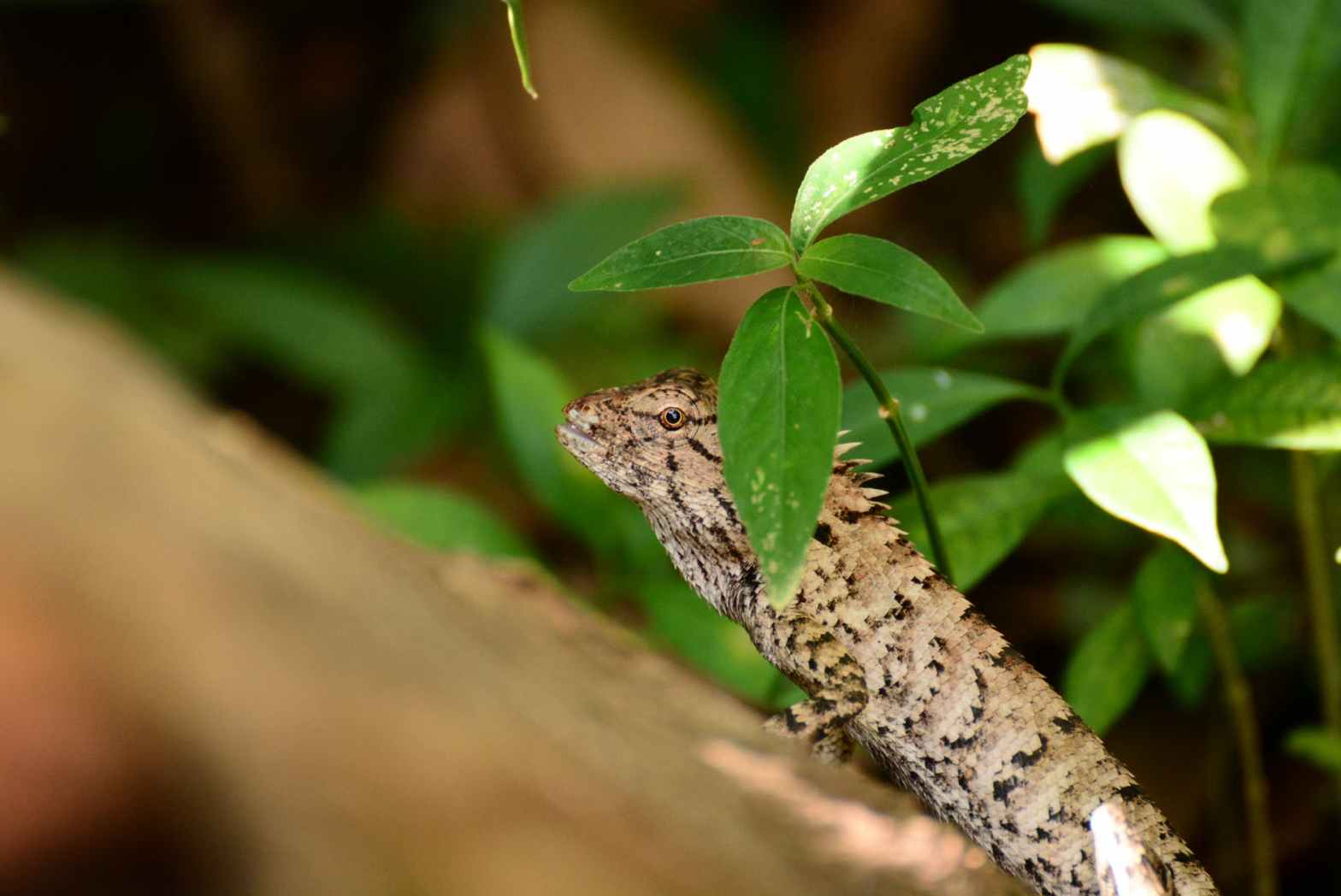
Photo by Anna on Pexels.com

Provide Food Planting native forbs, shrubs and trees provides the foliage, nectar, pollen, berries, seeds and nuts that many species of wildlife require to survive and thrive. Incorporating supplemental feeders and food sources also helps. 

 Supply Water Wildlife need clean water sources for many purposes, including drinking, bathing and reproduction. These may include natural features such as ponds, streams and wetlands; or human-made features such as bird baths, puddling areas for butterflies, installed ponds or rain gardens.

Photo by Kittichai Chumanee on Pexels.com

 Create Cover Wildlife require places to hide in order to feel safe from people, predators and inclement weather. Using things in a garden setting like native vegetation, shrubs, thickets and brush piles or even dead trees provides necessary cover.

 Give Wildlife a Place for Young Wildlife need a sheltered place to raise their offspring. Many places for cover can double as locations where wildlife can raise young, from wildflower meadows and bushes where many butterflies and moths lay their eggs, or caves where bats roost and form colonies. 

Photo by Jean van der Meulen on Pexels.com

Let Your Garden Go Green Garden or landscape maintenance can have an important effect on the health of soil, air, water and habitat for native wildlife–as well as the human community nearby. Composting, mulching as well as reducing both turf grass and chemical use are key steps to gardening greener.

Ready…Set…Certify! <<-Click this link once these five essential elements are provided. Join others across the country as part of NWF’s Certified Wildlife Habitat™ program.  

Helping US Forests

Our work supports organized forestry efforts worldwide. Efforts that can overwhelm those responsible such as the USDA Forest Service. However, private sector volunteers, and supporters like you, may have the answers that can help Keep America Beautiful. The below post by Andrew Avitt, USDA Forest Service, Office of Communications dated December 2020 can originally be found here –https://www.usda.gov/media/blog/2020/12/07/innovative-finance-national-forests-grant-program-fosters-new-ideas

Photo by Brandon Montrone on Pexels.com

The USDA Forest Service is charged with caring for 193 million acres of the nation’s forests and grasslands and solving some of the most complex land management challenges. Across the country, forests densely packed with trees are at high risk of catastrophic wildfire as well as insect and disease outbreaks that could impact ecosystem health for generations to come.

There is also a backlog of aging infrastructure, trails and facilities in need of repair, collectively called deferred maintenance, that continues to increase across national forests and grasslands.

Contending with these challenges will require upwards of $65 billion to restore forest health and $5 billion to address deferred maintenance nationwide. Over the last 10 years however, wildfire suppression costs have grown dramatically, sapping funds from the escalating backlogs of work to improve forest health and tackle deferred maintenance, compounding the problem over time.

The National Partnership Office Conservation Finance Program leads the agency’s work to build public-private partnerships to take on these and other land management challenges. This year the National Partnership Office launched the Innovative Finance for National Forests Grant Program with the goal of accelerating work with partners to pioneer partnership models that leverage new sources of funding and financing to support work on the ground.

“The program was really born out of necessity,” said Nathalie Woolworth, conservation finance program manager at the Forest Service. “This new grant program is exploring innovative finance solutions to leverage new sources of funding while also building relationships with partners.”

The Innovative Finance for National Forests Grant Program is a public-private collaboration with the National Forest Foundation and U.S. Endowment for Forestry and Communities. So far, the program has awarded $1.8 million to 10 grantees to create new finance models that leveraging private capital in addressing some of the biggest land management challenges.

The program’s main purpose is to promote creativity in partnership models that tap into new sources of funding and financing.

“Private capital is a sector of largely untapped opportunity for conservation,” said Woolworth. “Private investors are increasingly interested in putting their capital towards projects that yield social and environmental as well as financial returns.”

The grant program helps finance projects that restore forests and reduce wildfire by thinning thick, unhealthy stands of trees. Similarly, the grants have funded construction of facilities that can use the trees removed in restoration operations as biomass energy. The grants also fund cost sharing partnership models for campgrounds, among other programs with environmental, recreation and infrastructure benefits.

The Forest Service and its funding partners selected grantees with projects that can be scaled up and replicated with the end goal to support models with potential to address the agency’s land management challenges at scale.

The outcome of the grant program isn’t just to expand the organization’s toolbox of innovative and effective financial models but also to expand the agency’s network of partners.

“We couldn’t do our work without our partners,” said Woolworth. “In the future, these grantees and their innovative ideas may also become long-term partners, assisting us with the important work of stewarding our national forests.”

ECE and Early STEM Education Update

When 2020 came to a close, we were able to reflect on its benefits and challenges. While GATE was challenged cancelling in-person early childhood educator seminars, the youth education community as a whole benefitted as more organizations offered online educator training. Teachers of the very young can now search online for #ECE Webinars and find numerous training experiences. Many free of charge and some have STEM as a focus like the five below links. #OpenYourGATE #earlySTEM #earlyed #earlychildhood #earlychildhoodeducation

Top 5 Early Childhood Education Webinar Sites

  • Early Childhood Investigations – Why go to a conference when sites like this are now available. High quality early childhood education at your fingertips. Sessions have detailed description of topic and presenter(s). Plus each session is sponsored so cost is, well, zip. Make sure to support those sponsors who support ECE educators. https://www.earlychildhoodwebinars.com/
  • EdWeb offers CE certificates in childhood education through both live links and recorded sessions. They provide a wide array of webinar topics. You can search for age or domain specific training like literacy, socio-emotional or elementary. The link below lists more educational options for teachers that jumped online during 2020. https://home.edweb.net/top25edwebinars-2020/
  • Hatch is a tech business, supplying early learning technologies for classrooms and other learning centers. Webinar and blog post options available for home and work educators. Plus, training opportunities for center employee groups. Check out their website for info. https://www.hatchearlylearning.com/resources/webinars

CHALLENGES MET – GATE’s Learning & Edu-Care Project was further challenged by stay-at-home mandates limiting wilderness outings and youth explorations. As a result, local environmental education efforts were introduced online with mixed reviews. Mobile STEM Lab outreach to children under 10 continued with activities and supplies delivered to homes within Kern County. One child’s story will be posted soon on our Success Stories page. Check back for it.

Photo by Dominika Roseclay on Pexels.com

LOOKING FORWARD – GATE again joins in Give Big Kern, coordinating it with our annual Earth Day Fundraiser in Spring. Also in Fall 2021, GATE will join Giving Tuesday efforts. Send us a message to add a fundraiser in your community. Visit our donation page to help now. Also, we begin our biggest ever push for volunteer involvement with both in-person and online opportunities. Plus, GATE volunteers will actualize our online publicity campaign with video stories, social media outreach and more. #DoGood #Volunteer #OpenYourGATE

Remember – help us help others. Join our efforts in any way you can. Thank you.