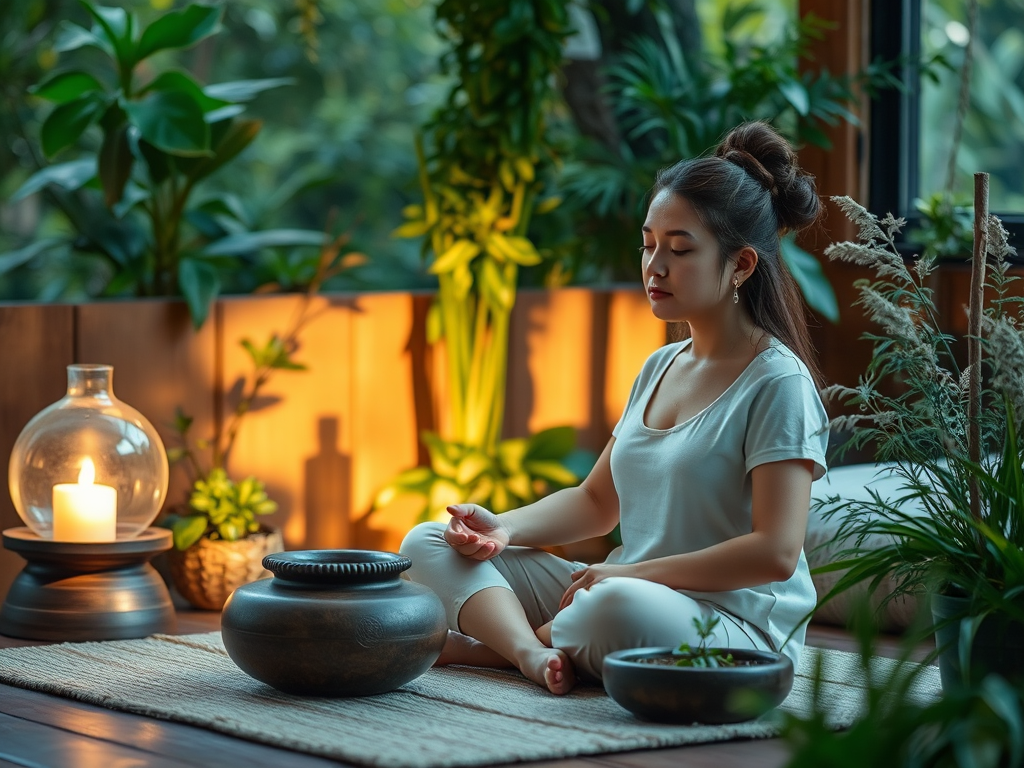
We all get stressed, these days even more. Ever present electrical currents from TV, computer, cell phones, ambient wifi and other sources adds to anxiety. Enjoying time in Nature helps. But sometimes we need to destress right now! Deep breathing helps us refocus and reconnect to what is important in this moment. Here are a few techniques.
Belly Breathing
Place one hand on abdomen below belly button. Inhale slowly and deeply, feel diaphragm expand lifting your belly hand. Hold full lungs for a few seconds before exhaling. Exhale while feeling your belly hand descend.
Flowing Breath
Do the above while having other hand on chest. Feel your heart rate and notice any changes as you breathe. Concentrate on having your breath fill your lungs and abdomen. Slowly exhale while concentrating on the flow of air in and out. Concentrate on the conversion of oxygen on the cellular level and its flow through your body.
How Stress Can Heal Your Body: A Shocking New Discovery
Recent breakthroughs in stress research are turning medicine on its head. For over two decades, Dr. Lewis S. Coleman built upon Hans Selye work, the father of modern stress theory. The result? A groundbreaking new understanding of how our body’s stress response isn’t just about fighting threats, but also about healing and repairing itself.
The Hidden Healing Mechanism
Dr. Coleman’s work suggests that our stress mechanism is a sophisticated system that explains the link between our environment and our health. In simple terms, when our body is injured or our nervous system is overwhelmed, this healing mechanism can get bogged down, leading to disease.
But what if we could harness this system to fight illness? This discovery could be the key to unlocking our body’s natural ability to combat major diseases like cancer and organ failure.
Why Haven’t You Heard About This?
Despite the monumental potential of this research, it has largely been ignored. Dr. Coleman’s work has been systematically scrubbed from his own website, with links now redirecting to a different organization.
This silencing isn’t new. It echoes a century-old trend in medicine that prioritizes profit over patients. The 1910 Flexner Report ultimately discredited therapeutic approaches and eradicated natural medicine from the medical education landscape. Coleman’s new research threatens to upend a multi-billion dollar industry, which may be why it’s being pushed aside.
Take Control of Your Health
This new paradigm offers a powerful message: managing your stress and environment is more crucial than ever. It’s not just about feeling better—it may be the key to minimizing disease, promoting whole-body healing, and even extending your healthy lifespan.
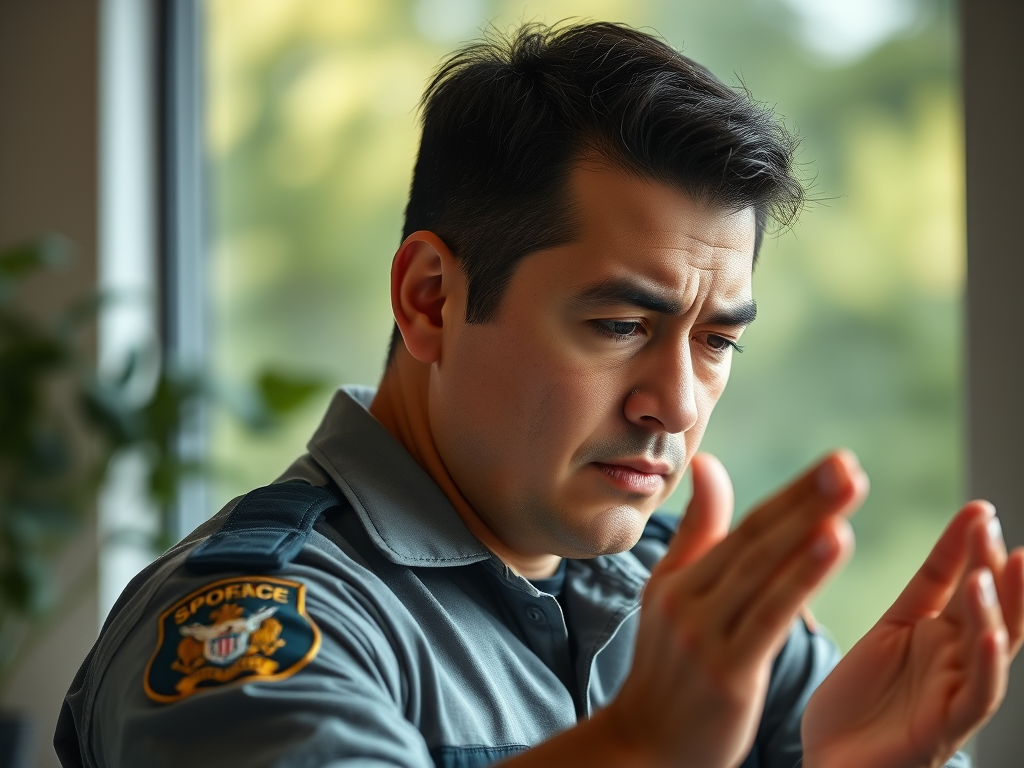
While the medical establishment continues to overlook these findings, you don’t have to wait. Learn how to take back control. The new course, The Guardian’s Calm, uses these insights to provide practical, nature-based stress reduction techniques and strategies for cultivating long-term resilience. This program is specifically designed for high-stress professionals like first responders.
Ready to learn more? Sign up HERE for updates and be the first to know when the course launches.
Enjoy short videos on the desert environments within southwest US. These and other videos on our site offer Multi-ethnic, Environmental Education On Our World aka MEEOOW.
MEEOOW’s* 1st video. Watch for more. ..
Embrace Nature’s Beauty by Releasing Distractions
Beauty and Peace in Sonoran Desert
*MEEOOW = Multi-ethnic, Environmental Education On Our World
The Plastic Predicament: A Journey from Zero Waste to “Oh My!”
A few years ago, I proudly declared my commitment to a near-zero-waste lifestyle, famously whittling my monthly trash down to a single can. Then COVID-19 arrived, and with it, the undeniable convenience of online shopping. While the pandemic spurred a lot of changes, it also, perhaps inadvertently, created a new challenge for my eco-conscious efforts.
Fast forward to today: I’m happy to report that my online shopping habits have significantly decreased – woohoo for less packaging! However, as I’ve gotten a bit older, I’ve noticed a subtle shift in my kitchen preferences. My grip strength isn’t what it used to be, and subconsciously, I’ve been gravitating away from breakable reusables. I hadn’t even truly noticed the trend until a recent visitor pointed it out with a surprised exclamation: “Wow, you have a lot of plasticware!”
The Unintended Collection
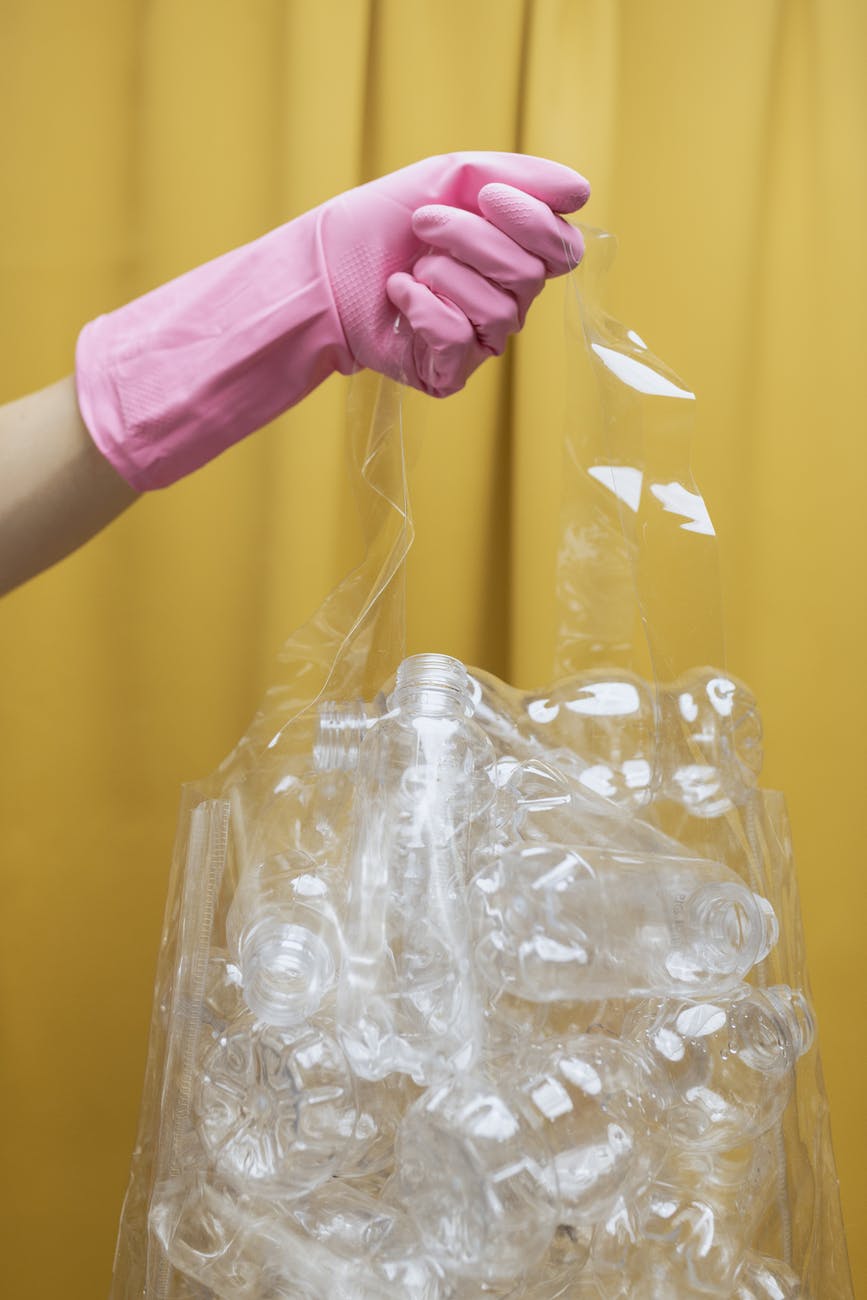
That comment hit me. How did that happen? My cupboards are now brimming with Rubbermaid, silicone, Tupperware, Melmac, and even Ziploc bags that I’ve been diligently reusing. The irony wasn’t lost on me: I wasn’t throwing out plastics; I was hoarding them in my kitchen, reusing them, and, by extension, regularly ingesting whatever might be leaching from them. Oops.
This revelation spurred a deeper dive into my home. The kitchen was just the beginning. I found plastic items everywhere – cleaning product bottles, brushes, storage containers in the bathrooms. “Oh my!” was right. What was I to do now?
Navigating the “Now What?”
Here’s the rub: I certainly don’t want to simply toss all this plastic, contributing to the ever-growing landfills. But at the same time, the thought of these items continuing to leach plasticizers into my immediate surroundings doesn’t sit well with me either.
After some thought, I’ve decided on a pragmatic approach: I’m choosing to donate them to my local Buy Nothing group.
Is this truly “environmentally friendly”? Perhaps not in the purest sense of the word. I’m not eliminating the plastic; I’m simply re-homing it. However, I believe there’s a valuable, albeit imperfect, silver lining. Others who are actively buying these types of products (as I, too, was until recently) can gladly reuse what I’m passing on. In a way, I’m hoping to reduce the demand for new plastic product creation. Or at least, that’s what I’ll tell myself!
This journey has been a humbling reminder that living a truly low-waste life is a continuous process of awareness, adaptation, and sometimes, compromise. It’s about progress, not perfection.
The following article was reprinted reprinted from June 26, 2023 article at Global Tree Initiative (plantgrowsave.org).
Mushrooms: The Internet of Trees
By Patty Rangel
In recent years, scientists have discovered that mushrooms are much more than just a tasty addition to your favorite dish. In fact, they are the “Internet of trees” – a vast network ofunderground fungi that connects trees and other plants in a similar way to how the Internet connects people.
The research on the “internet of trees” began in the 1990s, when Canadian ecologist Suzanne Simard discovered that trees in a forest were connected through a vast network of underground mycorrhizal fungi known as the “wood wide web”. They attach themselves to the tree’s roots and help it to absorb nutrients from the soil in exchange for sugars produced by the tree’s photosynthesis.
The mycorrhizal network is made up of microscopic filaments called hyphae, which connect the roots of different plants and trees. These hyphae act like an underground internet, allowing plants to exchange nutrients, water, and even hormones. For example, if one tree is under stress due to drought or disease, it can send out hormones to warn other nearby trees of the danger. The other trees can then prepare themselves for the impending threat. But it’s not just trees that are connected through these underground networks. These fungi form a mutually beneficial relationship with trees and other plants, including shrubs, herbs, and even grasses. This means that entire ecosystems are linked together!
Human beings can help trees and mushrooms by practicing “mycorestoration” in regenerative projects. With the Global Tree Initiative working towards reforestation and preserving natural habitats, it is important to share how mycorestoration can supply innovative ways to mitigate the impact of human activities. Fungi are natural decomposers that break down complex organic matter, like dead trees, into simpler compounds that can be absorbed by plants. This decomposition process is crucial for the health of our forests, as it contributes to nutrient cycling, soil formation, and carbon sequestration. By introducing native fungi species into areas where deforestation has occurred, we can help regenerate soil and support the growth of new trees. Fungi form symbiotic relationships with tree roots, improving their ability to absorb water and nutrients. This increased access to resources accelerates tree growth and improves their resilience to stress, such as drought or disease.
Fostering sustainable communities through mycorestoration can be conducted through global partnerships that promote ecology within Ecovillage Design Education (EDE’s). The Global Ecovillage Network‘s presence in five continents and in over 8000 communities around the planet, helps the regenerative approach to community building and preservation of existing forests. By promoting sustainable land management practices and reducing our reliance on extractive industries, ecovillages can help prevent deforestation and protect the habitats of countless plant and animal species.
In conclusion, the integration of mycorestoration and ecovillage principles can significantly contribute to the Global Tree Initiative’s mission to protect and restore our planet’s forests. By utilizing the power of fungi and promoting sustainable living practices,
We can create resilient ecosystems that support both human communities and the natural environment. As an advocate for these principles, I am proud to be a part of the global movement to regenerate our forests and cultivate a sustainable future for us all.
______
Patty Rangel is a 2022 GEN (Global Ecovillage Network) representative to the United Nations Environment Program (General Assembly in Nairobi, Kenya), a graduate of the United Nations Summer Intensive Program (UN Headquarters in New York City), Honorary Burning Man Earth Guardian, and a member of EcoVillages in France, Italy, Mexico, and the USA. Patty is passionate about ARTivism and empowering Indigenous Nations. She has beeninvolved with GEN since 2007.



 Guardians Around The Earth